
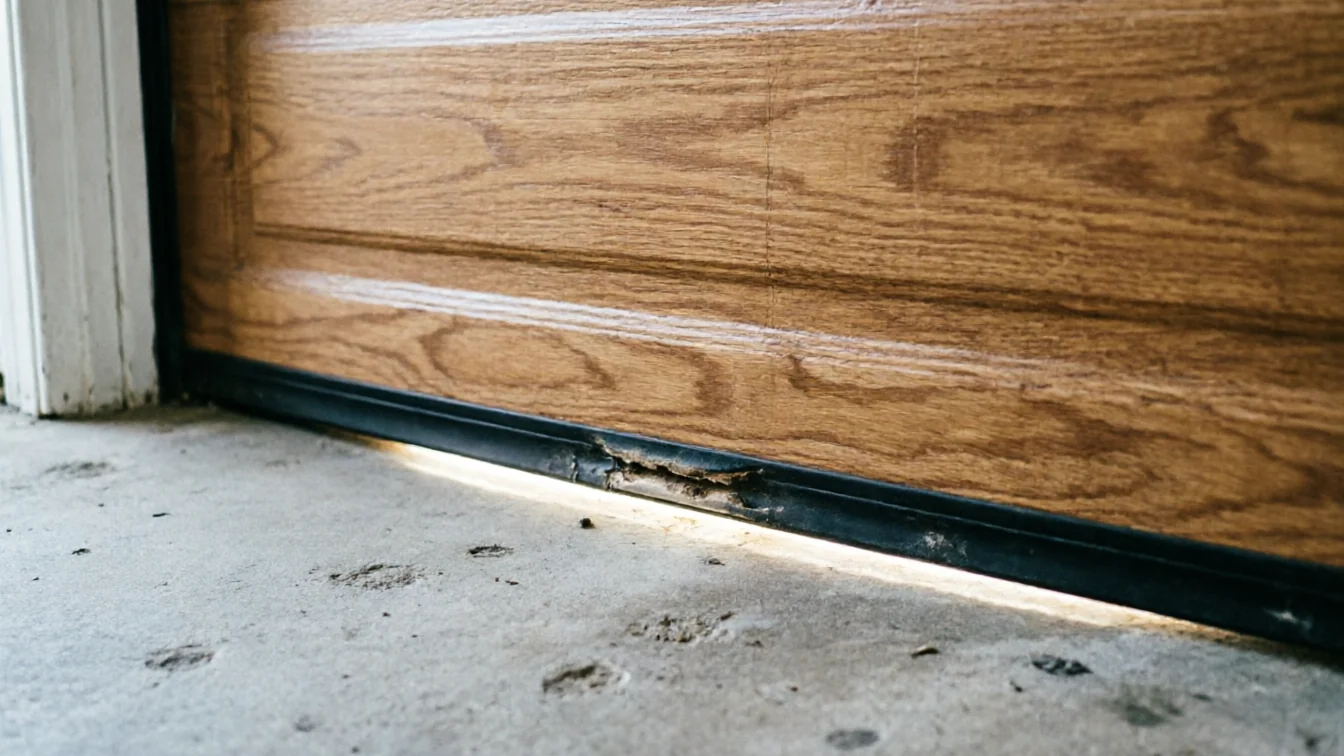
Why Hanover Garage Doors Draw Cold Air at the Bottom
Hanover homes built mostly in the 1960s and 70s still run original seal tracks.
Read moreBlogHanover, PA · 4 min read
Hanover homes built mostly in the 1960s and 70s carry original hardware that talks before it fails. Here's what the sounds mean and when to call.
Local detail
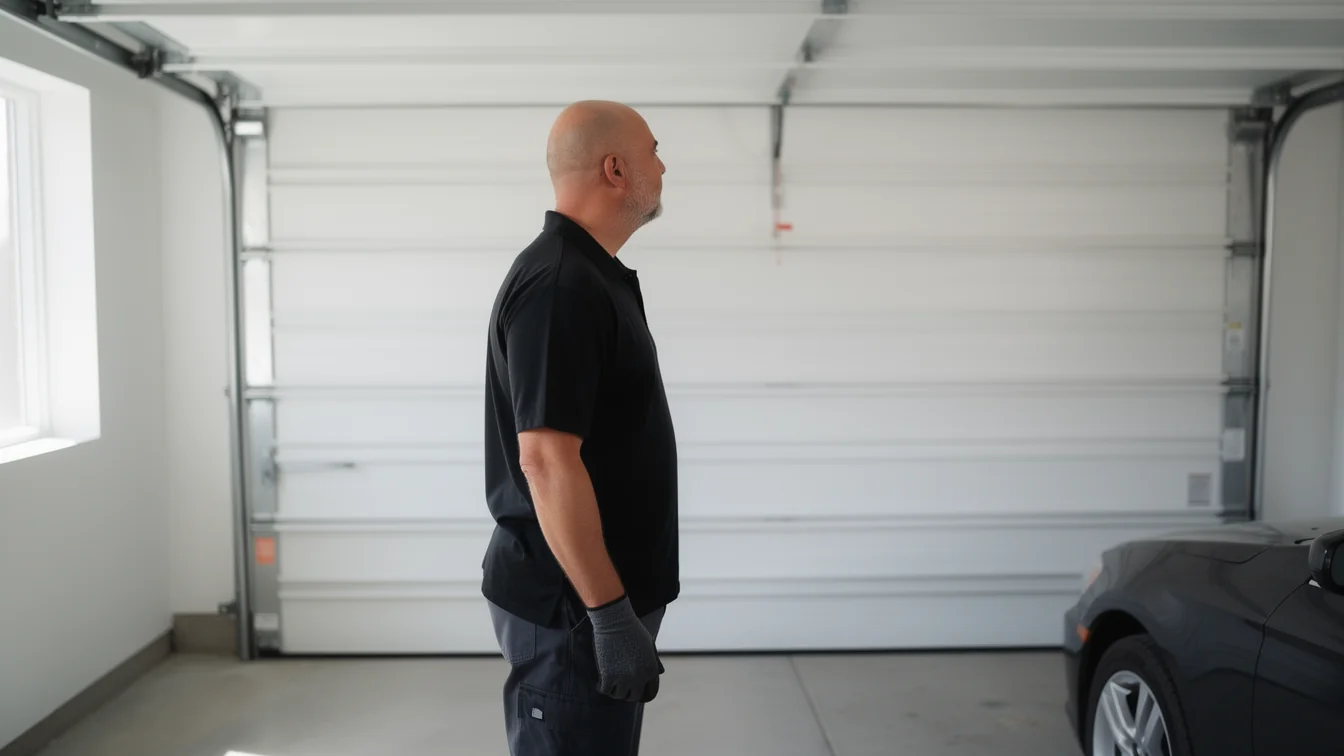
Most of the houses around Hanover went up between 1938 and 1994, with the bulk of that stock clustered in the 1960s and 70s - the same pattern you see repeated across the 37 named areas we work in, from Parkville and McSherrystown a couple miles out to Spring Grove and East Berlin further off. That means a lot of garage doors on their second or third opener but still running the original track, hinges, and in some cases the original springs. A door that age doesn't fail quietly. It squeals, it bangs, it grinds for weeks before a cable snaps or a spring lets go. The problem is most owners have heard that door make noise their whole time in the house and assume it's just how it sounds. Sometimes that's true. Sometimes it's a roller riding on a worn-out track, and you've got a month, not a year, before it jumps the rail. The age of the hardware is exactly why the noise matters here more than it would on a door installed last spring.
The area
This area sits in a cold climate zone with real winter severity, and that changes what a noise tells you. Steel contracts in the cold, grease stiffens, and hardware installed in 1970 wasn't built with today's lubricants or weatherstripping in mind. A door that runs quiet in August and starts grinding in January is usually telling you the lift springs have lost tension as the metal cools, or that old hinge pins have dried out and are chewing into the panel holes. On a newer door that same cold snap barely registers. On a door that's been cycling through forty-plus Hanover winters, the cold is often what turns a minor wear pattern into a loud one. If your door gets noticeably worse the first hard freeze of the season, that's not coincidence - that's the hardware telling you it was already marginal before winter made it obvious.
What we find
The common mistake here is spraying WD-40 on a squealing track and calling it fixed. That quiets things for a week, maybe two, and it does nothing for a spring that's wound down from age or a roller bearing that's worn oval instead of round. Given how much of the housing stock in this service area dates to the 1960s and 70s, we see the same failure order over and over: noisy rollers first, then a cable starting to fray where it wraps the drum, then a spring that finally gives out - usually on the coldest morning of the year, with the door stuck halfway. Waiting through all three stages because the first one got quieter after some oil is how a $150 roller job turns into a full spring and cable replacement. We'll say plainly: we don't recommend re-tensioning original 1960s-era torsion springs rather than replacing them. That hardware has had fifty-plus years of cycles on it, and a spring that old isn't worth gambling a finger on.
How we work
Not every noise needs a same-day call. A single squeak that shows up once and doesn't come back, especially after a cold snap passes, is often just stiff grease loosening up as it warms - normal on hardware from this era, and not worth a service trip by itself. If the door still opens and closes at the same speed it always has, closes flush against the floor, and the noise doesn't change week to week, you can reasonably wait and keep an eye on it rather than book right away. What changes the math is a noise that's getting louder, a door that's visibly slower to open, or any grinding that seems to come from one specific spot on the track rather than the whole run. That kind of progression on a door this age usually means something's wearing through, not just settling in for winter.
Questions
Not necessarily. A lot of doors around Hanover are original to houses built in the 1960s and 70s, and a light squeak that doesn't change from month to month is often just older hardware doing its thing. Watch for it getting louder or the door slowing down - that's the real signal, not the squeak itself.
This area sits in a cold climate zone, and cold steel and stiff grease make old hardware louder than it is in summer. If your door was installed decades ago, the cold often exposes wear that was already there - worn hinges or a weakening spring - rather than causing new damage on its own.
Lubricating rollers and hinges is fine routine upkeep, and it can quiet normal age-related noise for a while. It won't fix a frayed cable or a spring that's lost tension, though, so if the noise comes back within a couple weeks, that's worth a second look rather than another coat of oil.
A grinding or squealing sound that moves with the door as it travels usually points to rollers or the track. A loud bang, a door that feels heavy to lift by hand, or visible gaps in the coiled spring on the wall above the door point toward the spring itself - that's not a wait-and-see situation.
Recommendation
More garage door guides for Hanover homeowners.
Hanover homes built mostly in the 1960s and 70s still run original seal tracks.
Read more
Hanover homes built mostly between the 1960s and 1972 run older torsion springs that snap fast once cold weather hits.
Read more
Most Hanover homes date back to the 1960s and 70s, built with doors never meant for today's cold stretches.
Read moreReady when you are
Hanover Garage Door Pros repairs and installs garage doors, springs and openers in Hanover, PA and the surrounding area.