
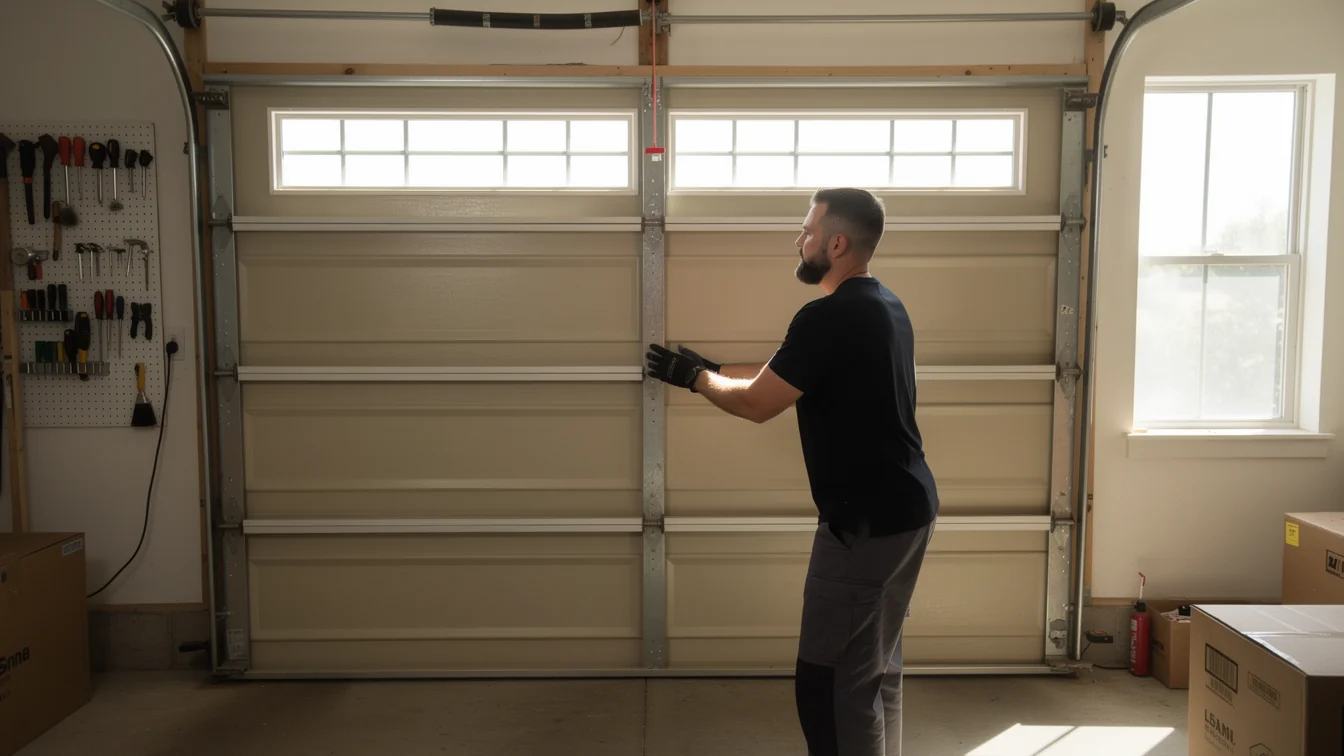
What We Check First When We Get to Your Door
See what a Hanover Garage Door Pros technician checks first on a service call, tied to the age of local housing stock and the area's cold winter climate.
Read moreBlogHanover, PA · 4 min read
What actually happens on a garage door service call in Hanover, PA, where most houses date to the 1960s-70s and winters run cold and hard on springs.
Local detail
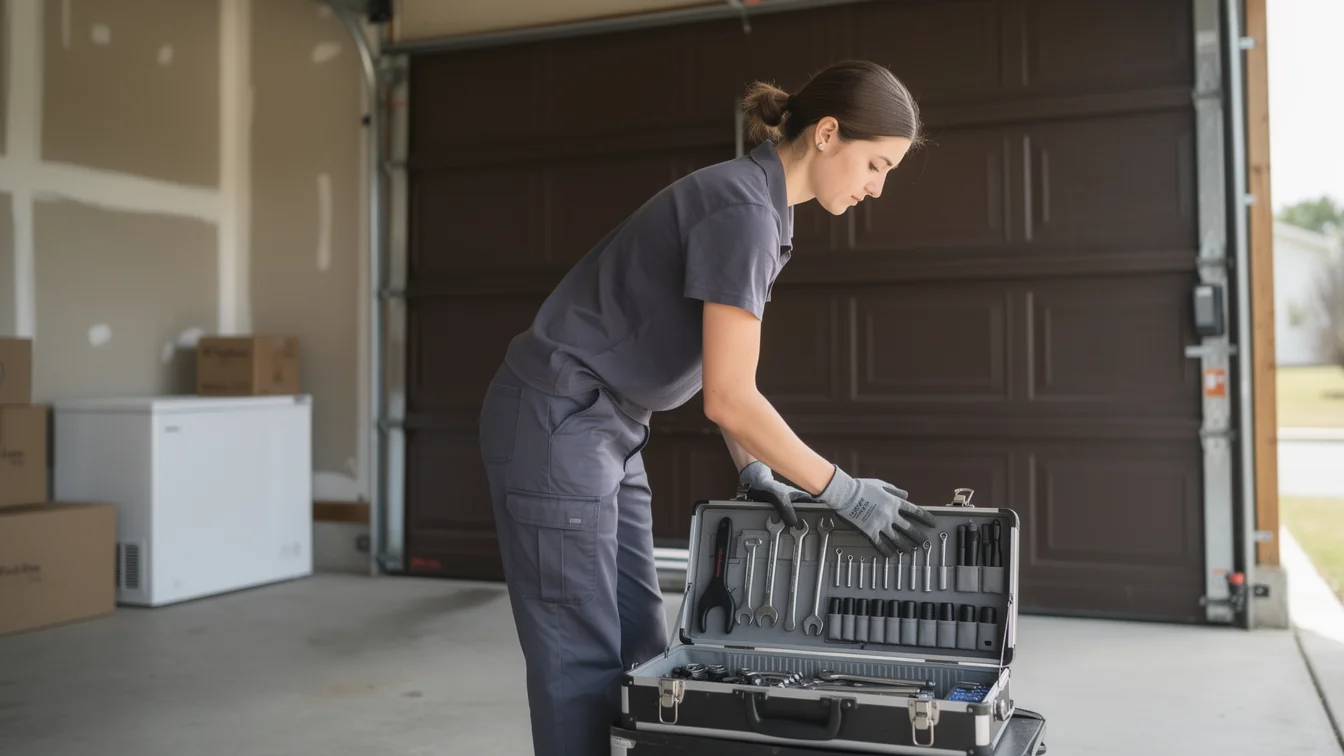
Most calls we take in Hanover start the same way: a door that worked fine last week and now either won't move, moves wrong, or makes a noise nobody wants to hear twice. Housing stock in this area runs from 1938 to 1994, with the median build year around 1972, and across the 37 named areas we cover the bulk of it is 1960s and 70s construction. That matters because a service call on a house like that isn't a blind diagnosis - it's checking a short list of parts that wear out on a predictable schedule in homes this age. A real call covers the door itself (panels, hinges, rollers), the spring system, the opener if there is one, the track alignment, and the cables and drums that do the lifting. We're not guessing at what's behind the wall. We're looking at what thirty to sixty years of use does to steel and hardware that was never meant to be maintenance-free forever.
What we won't do on a standard call is tear into a wall or rebuild a header that's out of plumb - that's a carpentry job, not a garage door job, and we'll tell you straight if that's what you're looking at.
The area
This is a cold-climate service area, and that's not a throwaway line - it changes what actually fails first. Steel springs lose tension faster in sustained cold, and lubricant that's fine in August turns thick and sluggish by January, which is when we see the spike in opener strain and slow-closing doors. On a service call here, checking spring tension and lube condition isn't optional add-on work, it's baseline, because a door that's borderline in October is often a no-go by the first hard freeze. We also check weatherstripping and bottom seals more closely than a mild-climate company would, since a gapped seal in a severe cold band means ice buildup at the threshold, not just a draft.
Homes built in the 1972 median era typically have single-car or narrow double openings with hardware sized for lighter doors than what's often installed now - insulated doors are heavier, and torsion springs sized for the original door are a common mismatch we find mid-call.
What we find
The most common mistake we see in houses from this build era is treating a slow or noisy door as a lubrication problem when it's actually a spring reaching the end of its cycle life. WD-40 on a dry track buys a week, not a fix. The second mistake is DIY spring adjustment - torsion springs on doors this old are frequently under more tension than people expect, and the hardware mounting them hasn't been touched since installation, which means brackets can be as tired as the spring itself.
The third mistake, and it's specific to this housing stock: people replace an opener without checking whether the track and drums underneath it are original. A new opener bolted to worn-out 1970s track hardware just means the new motor works harder and fails faster. We check the whole chain, not just the part that's making noise.
How we work
Not every noise or stiff spot needs a same-week call. If a door is still moving smoothly, closing flush, and the opener isn't straining, a little seasonal stiffness as temperatures drop is normal for this climate and can wait for a scheduled visit rather than an emergency one. Cosmetic wear - faded panels, minor rust on hardware that isn't structural - is also something you can live with and budget for rather than rush. Where we'd tell you to wait: a door that's just a little loud but still balances correctly when you test it by hand with the opener disconnected. That's a lubrication and adjustment visit, not a crisis.
Where we'd tell you not to wait: a cable that's frayed, a spring that's visibly gapped or broken, or a door that's off-track. Those get worse with every cycle, and in a severe cold climate, cold makes brittle metal more likely to fail under load, not less.
Questions
It depends on age and use, but with housing here mostly dating to the 1960s-70s, a lot of original hardware is well past its expected life. We'd rather check tension and rollers on a scheduled visit than have you find out the spring's done on a cold morning when you need the car out.
No. A new or repaired opener on worn track and drums just transfers the strain somewhere else. On every call we check the full lift system, not just the part that's obviously failing, especially on doors from the older end of our service area's housing stock.
We cover the surrounding area including Parkville, McSherrystown, Berwick, Oxford, New Oxford, and the other towns within roughly a twenty-mile radius of Hanover.
Recommendation
More garage door guides for Hanover homeowners.
See what a Hanover Garage Door Pros technician checks first on a service call, tied to the age of local housing stock and the area's cold winter climate.
Read more
Most Hanover homes date back to the 1960s and 70s, built with doors never meant for today's cold stretches.
Read more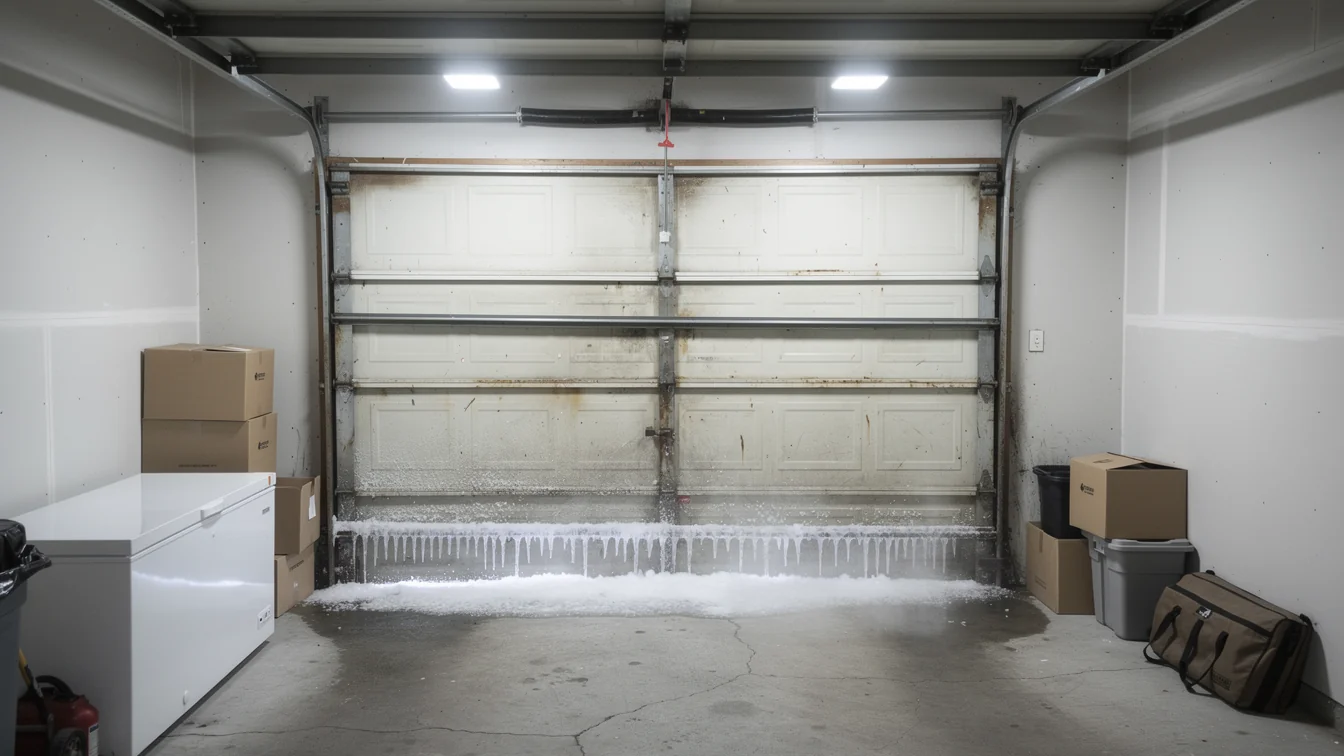
Most Hanover garage doors date to the 1938-1994 building boom, before insulation codes existed.
Read moreReady when you are
Hanover Garage Door Pros repairs and installs garage doors, springs and openers in Hanover, PA and the surrounding area.