
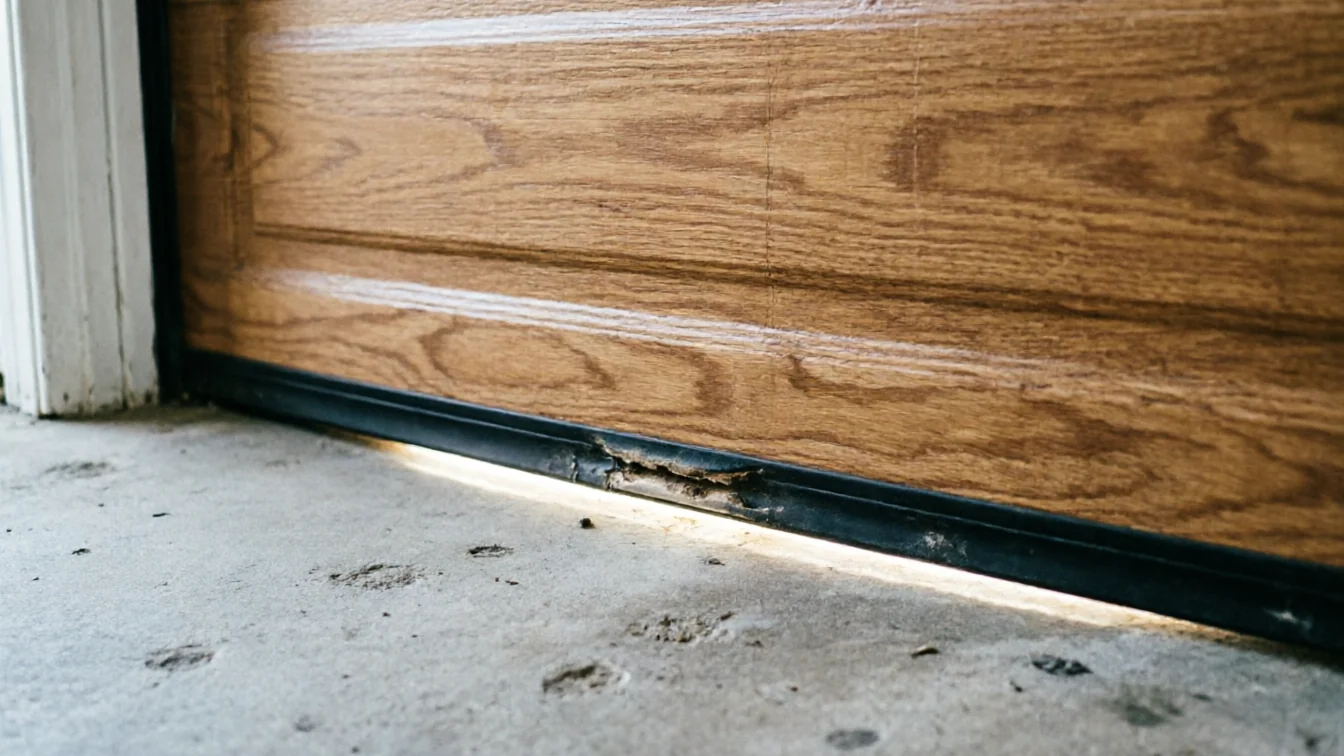
Why Hanover Garage Doors Draw Cold Air at the Bottom
Hanover homes built mostly in the 1960s and 70s still run original seal tracks.
Read moreBlogHanover, PA · 4 min read
Hanover homes mostly date 1938-1994. Here's how to tell if your garage door is worth repairing or ready for replacement, based on age and cold-climate wear.
Local detail
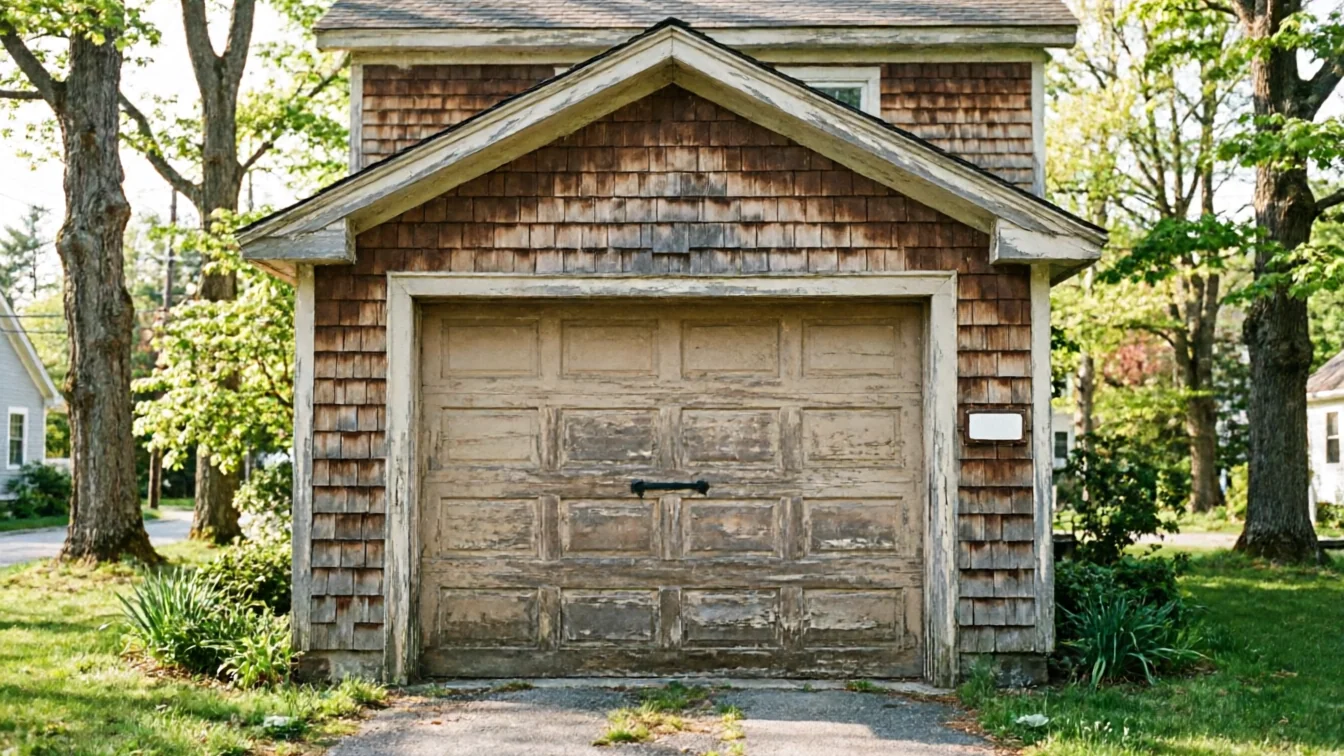
Most of the housing stock around Hanover went up between 1938 and 1994, with the median build year sitting around 1972. That means a huge share of the doors we get called on are original or close to it, especially across the 37 named neighborhoods in this service area that lean heavily 1960s-70s construction. A door from that era wasn't built with today's insulation standards or the lighter, better-balanced torsion systems you see on newer installs. When a homeowner calls asking if a repair is worth it, the real question underneath is: how much of this door's hardware predates modern parts supply. A steel section from 1975 might still be structurally fine. The hinges, rollers, and spring cones around it usually aren't the issue - it's whether the track alignment and panel seams have held up through fifty-plus winters. That's the call we're actually making when we look at an older door here, not just whether it opens and closes.
The area
This area sits in a severe cold climate band, and that matters more for garage doors than people expect. Cold doesn't just stiffen springs - it shrinks and swells wood-frame openings built in the 1960s and 70s, which were framed to looser tolerances than anything built today. On a door that age, repeated freeze-thaw cycling works at the weatherstripping, the bottom seal, and any wood jamb trim until the whole opening is slightly out of square. A torsion spring rated for a certain cycle count also wears faster under cold-weather strain, since the steel is stiffer and the opener has to work harder to get it moving. If your door is original to a house built in that 1938-1994 window, the spring has likely seen more stress-cycles per winter than a comparable door in a milder region would. That's a real factor in whether a repair holds or just buys you another cold season before the next failure.
What we find
The mistake we see most with older Hanover doors is treating a cosmetic symptom as the whole problem. A panel that's dented or a track that's bent slightly out of line can often be fixed on its own, but if the door is from that same 1960s-70s wave of construction, there's usually a second issue underneath - a spring near the end of its rated cycles, or hinges worn enough that the door is racking slightly every time it travels. Fixing the visible thing without checking the rest just means a second service call. The other error is assuming age alone means replace. Plenty of doors from that period are structurally solid steel or wood that's held up fine; it's the moving hardware and seals that fail first, not the panels themselves. With median household income in this area around $79,094, most owners are making a real budget call here, not an emotional one, and that call should rest on what's actually worn versus what just looks old.
How we work
Not every older door needs attention right now. If your door is from that 1938-1994 stock, operates smoothly, and the only issue is cosmetic - faded paint, a minor surface dent, slightly noisy rollers - there's no reason to replace it ahead of schedule. We'll say plainly that we don't push replacement on a door that's still doing its job; a repaired spring or a new seal can carry an original door for years longer in this climate. Where we draw the line is cycle count and visible rack: if the door is binding on the track or the opener is straining audibly in cold weather, that's not a wait-and-see situation, because a failed torsion spring under tension is a safety issue, not just an inconvenience. For most homes in Hanover, Parkville, McSherrystown, and the surrounding towns we work in, a mid-life door from that era can still get a fair number of good years out of a targeted repair rather than a full swap.
Questions
Check whether the problem is cosmetic or mechanical. A dented panel or faded finish on a door from the 1960s-70s building wave is usually fine to leave alone. If the spring is cycling hard in cold weather or the door racks on the track, that's a safety-driven repair, not a cosmetic one, and it's worth a look regardless of the door's age.
Yes. This area sits in a severe cold climate band, and freeze-thaw cycling stresses weatherstripping, wood-frame openings, and torsion springs more than milder regions do. A door original to a house built in the 1938-1994 window has usually absorbed more winters' worth of that stress than a newer install would have by now.
Often yes. The steel or wood panels from that construction wave are frequently still sound - it's the hinges, rollers, and spring hardware that fail first. A repair targeted at the worn hardware can extend a door's life well past what its age alone would suggest, as long as the panels and track aren't structurally compromised.
Recommendation
More garage door guides for Hanover homeowners.
Hanover homes built mostly in the 1960s and 70s still run original seal tracks.
Read more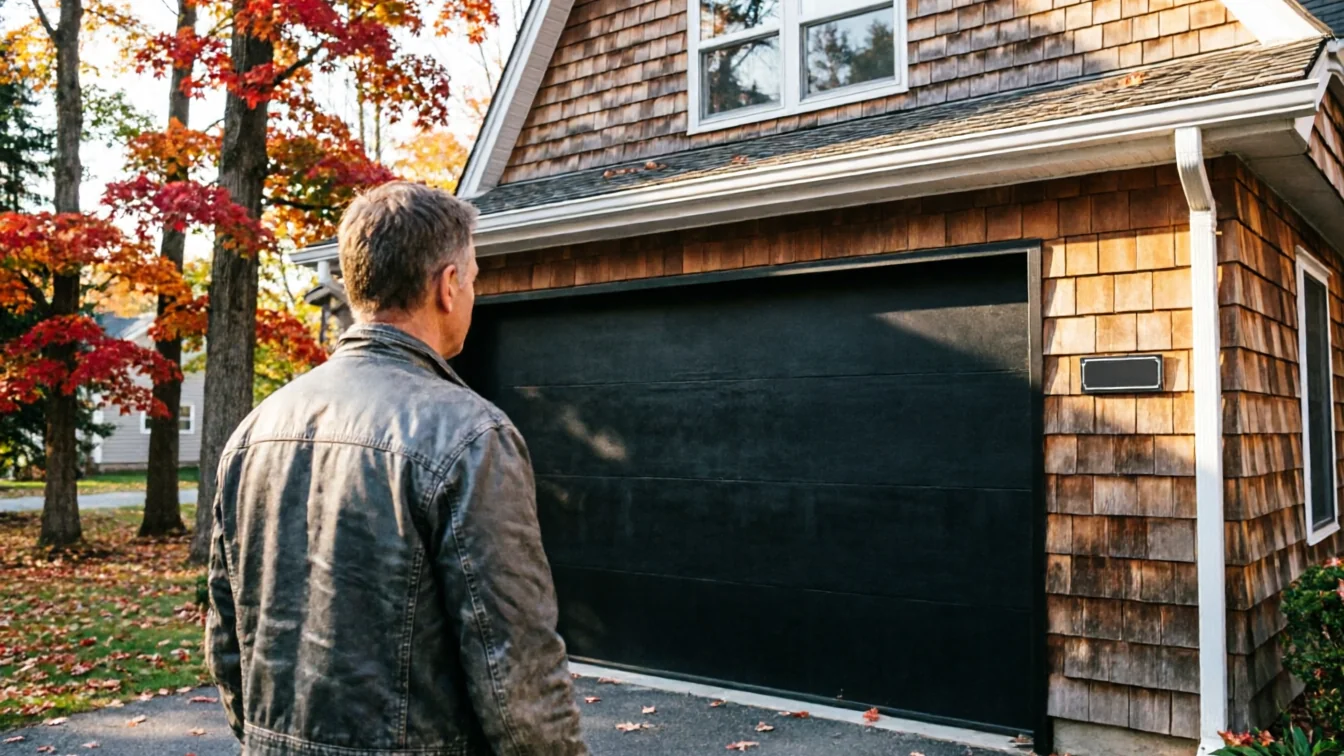
Most Hanover homes date back to the 1960s and 70s, built with doors never meant for today's cold stretches.
Read more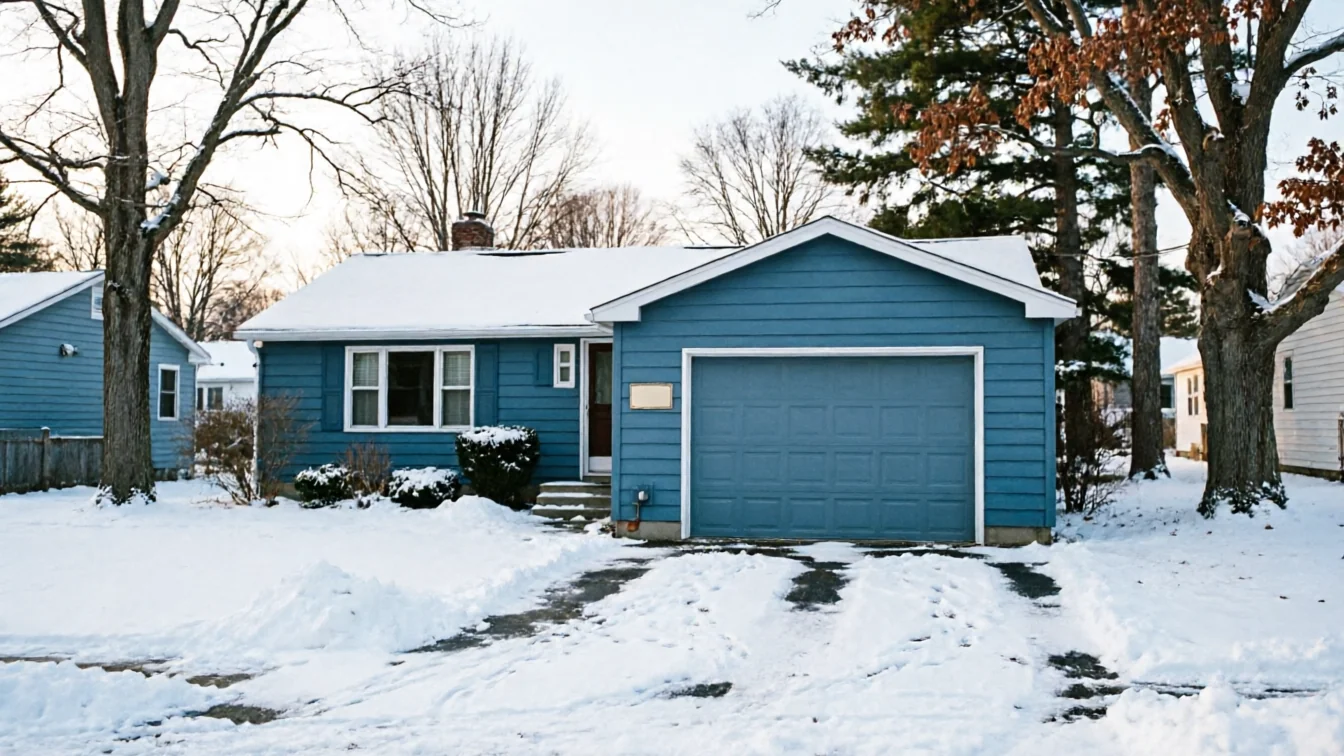
Hanover homes built mostly between the 1960s and 1972 run older torsion springs that snap fast once cold weather hits.
Read moreReady when you are
Hanover Garage Door Pros repairs and installs garage doors, springs and openers in Hanover, PA and the surrounding area.