
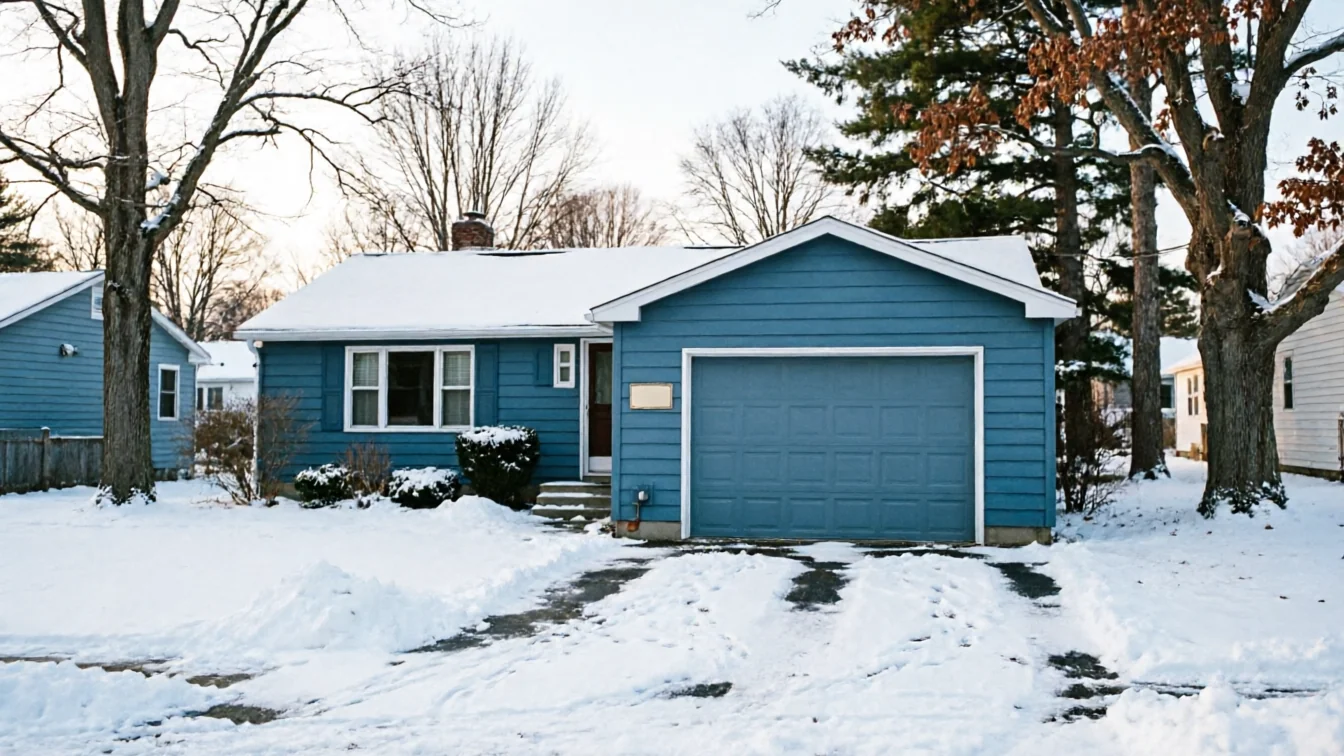
What Cold Does to an Old Torsion Spring in Hanover
Hanover homes built mostly between the 1960s and 1972 run older torsion springs that snap fast once cold weather hits.
Read moreBlogHanover, PA · 4 min read
Hanover homes built mostly in the 1960s and 70s still run original seal tracks. Here's how that age and our cold winters turn into draughts at the garage door.
Local detail
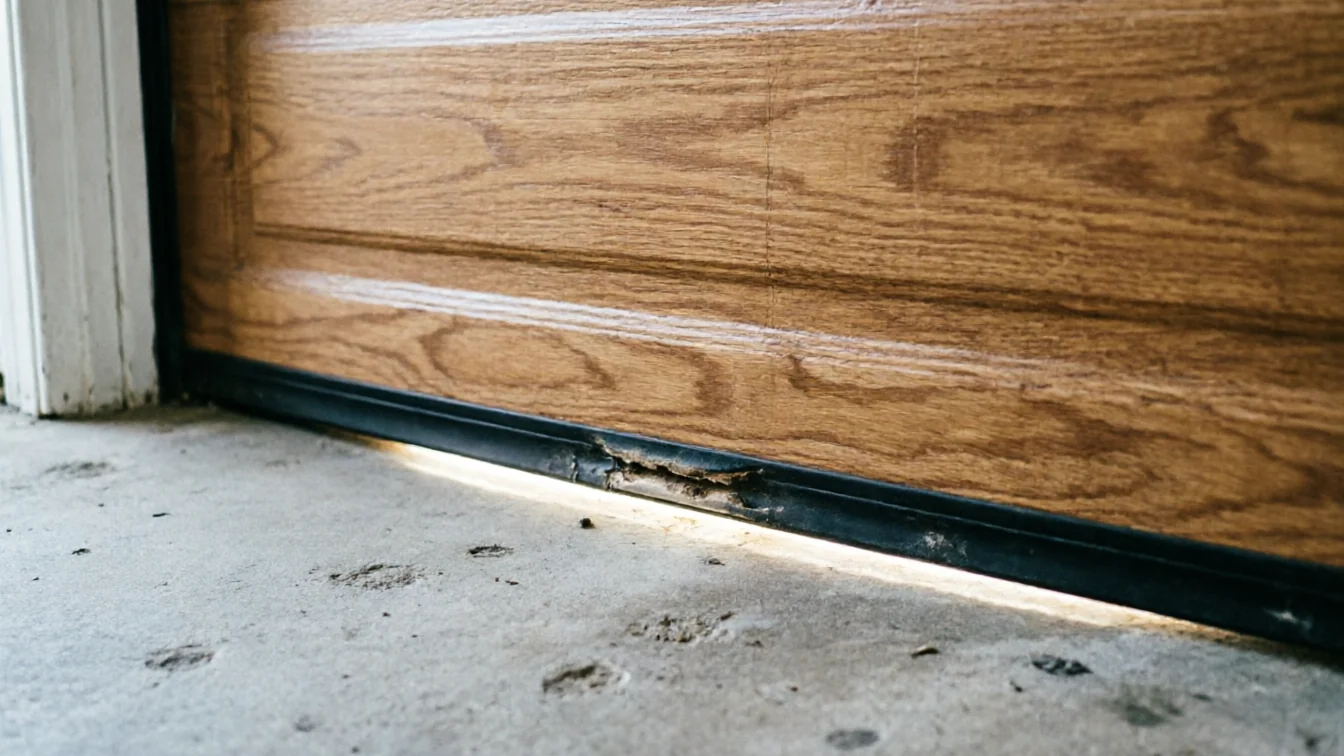
Most of the houses we get called to sit on streets built between 1938 and 1994, with the bulk of that stock going up in the 1960s and 70s. That matters here because a door and frame from that era were built to a tolerance standard, not a weatherproofing standard. The bottom astragal seal is usually the only thing between the slab and outside air, and on a door that old, that seal has been compressed, cracked by UV, or replaced once already with a seal that doesn't match the original track profile. Across the 37 named areas we work in, from the older blocks near the center of town out to the newer ring developments, the complaint sounds the same: cold air along the floor, a line of frost on the inside of the bottom panel, sometimes a draft strong enough to move a hanging extension cord. It's not usually the door itself failing. It's the seal and the track it rides in, both original to a house pushing fifty to eighty years old, finally giving up the ghost at the exact time of year you notice it most.
The area
This area sits in a severe cold climate band, which means the seal isn't just keeping out a breeze, it's holding back a real temperature differential for months at a time. Vinyl seals from the 1970s and 80s were not rated for the freeze-thaw cycling we get here, and most have hardened and shrunk a quarter inch or more off their original width. That gap is where the draught comes from. On a concrete slab poured in that same era, the slope toward the door opening has often settled unevenly over fifty-plus years, so the seal that sealed fine in 1975 now has to bridge a slab that's no longer flat. Add severe cold and you get the seal going brittle right when the gap is widest, usually in January. We also see this on doors that were replaced once in the last couple decades but refitted into the original 1960s-70s frame without correcting the frame's own settling, which just moves the same draught problem onto a newer panel.
What we find
The most common mistake we see is buying a generic bulb seal at a hardware store and pressing it into a track that was cut for a different seal profile decades ago. It looks sealed. It isn't, because the track itself has worn a shape that no longer grips a seal evenly along its length, so you get draught at the corners even with a brand new strip in the middle. The second mistake is treating the bottom seal as the only point of entry. On houses from this build era, the side stop molding has often shrunk away from the jamb over the years, and that gap runs the full height of the door, not just the bottom eight inches. People spend an afternoon on the bottom seal and wonder why the draught barely changes. We'll be honest: a seal replacement doesn't fix a door that's racked in its track or a slab that's dropped more than an inch at the threshold. At that point you're not weatherproofing, you're buying time before a bigger repair.
How we work
Not every draught needs a service call. If the seal is still pliable, holds its shape when you bend it, and the gap is even along the full width of the door, you can often swap it yourself with a seal cut for your track profile, which is worth checking against the door's age rather than guessing. On a house from the 1960s-70s stock common across this area, that's a weekend job, not a dispatch. Where it's worth having someone look is when the draught is uneven, worse on one side than the other, or paired with a door that feels heavier to lift than it used to. That combination usually means the track or the slab has shifted, not just the seal, and that's a different repair. With median household income here around $79,000 and most households owning rather than renting, a lot of homeowners we talk to are deciding between a seal fix now and a fuller door replacement in a few years. There's no wrong answer, just a question of how much the draught is actually costing you in comfort and heating bill versus the cost of waiting.
Questions
On houses built in the 1960s and 70s, which make up most of the stock in this area, the original bottom seal has usually hardened and shrunk over the decades. In a severe cold climate that gap widens in freezing temperatures right when you need it sealed most, which is why the draught shows up worst in January, not October.
Often, yes, if the track and slab are still in reasonable shape. But on a house from this era the slab has sometimes settled unevenly, and a seal alone won't bridge a slab that's dropped more than an inch. If the draught is uneven across the width of the door, that's usually a track or slab issue, not just a worn seal.
Bend the vinyl flap at the bottom. If it cracks or stays creased instead of springing back, it's past its useful life. On original 1960s-70s doors still running their first or second seal, that brittleness is common and it's a straightforward swap once you match the profile to your track.
Recommendation
More garage door guides for Hanover homeowners.
Hanover homes built mostly between the 1960s and 1972 run older torsion springs that snap fast once cold weather hits.
Read more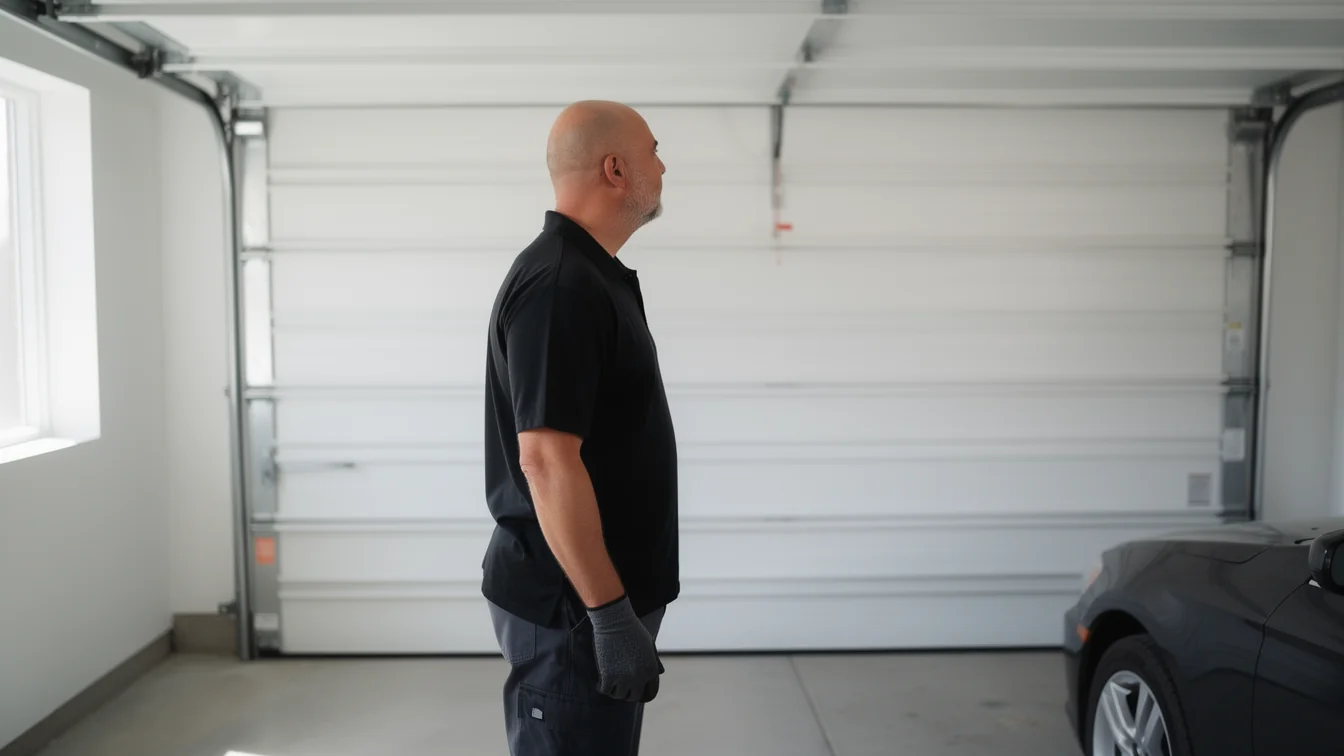
Hanover homes built mostly in the 1960s and 70s carry original hardware that talks before it fails.
Read more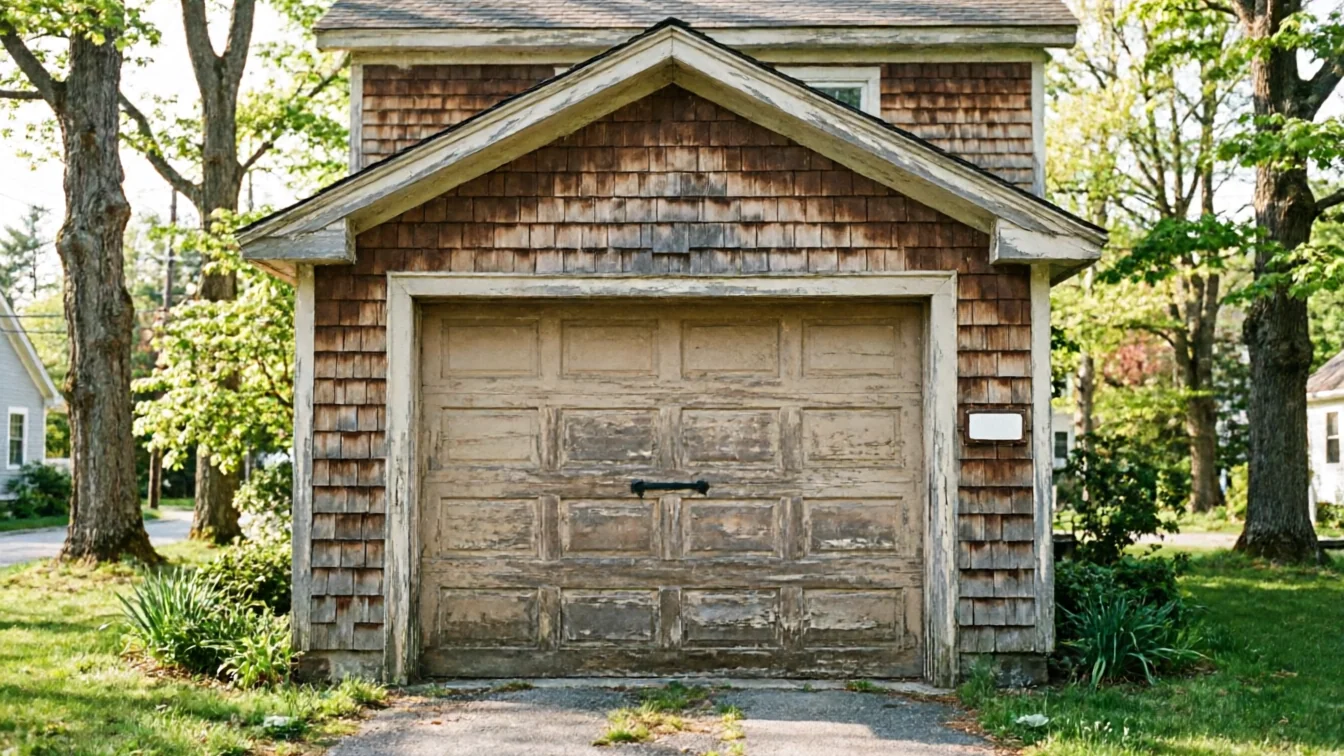
Hanover homes mostly date 1938-1994.
Read moreReady when you are
Hanover Garage Door Pros repairs and installs garage doors, springs and openers in Hanover, PA and the surrounding area.