Hanover, PA
Garage Door Maintenance Around Hanover
Service for homes built 1938-1994 across Hanover's 37 neighborhoods, where cold winters and original hardware mean maintenance looks different than it does elsewhere.
- Garage Door Repair
- New Door Installation
- Springs & Openers
Can You Do This Yourself
Some of it, yes. You can wipe down the tracks, check that the photo-eye sensors aren't coated in dust, and look at the weatherstripping along the bottom panel for cracks.
Easy roller lubrication
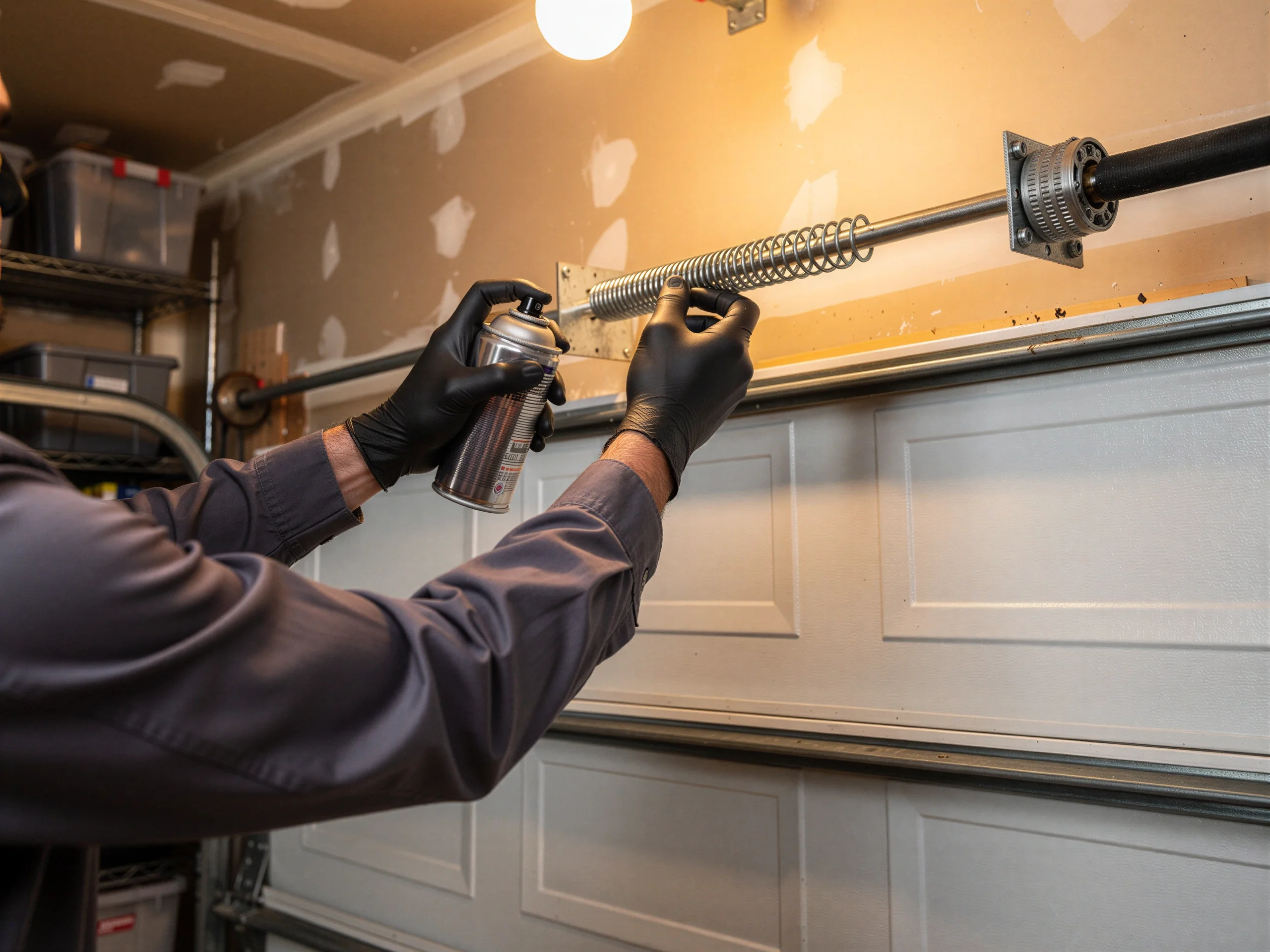
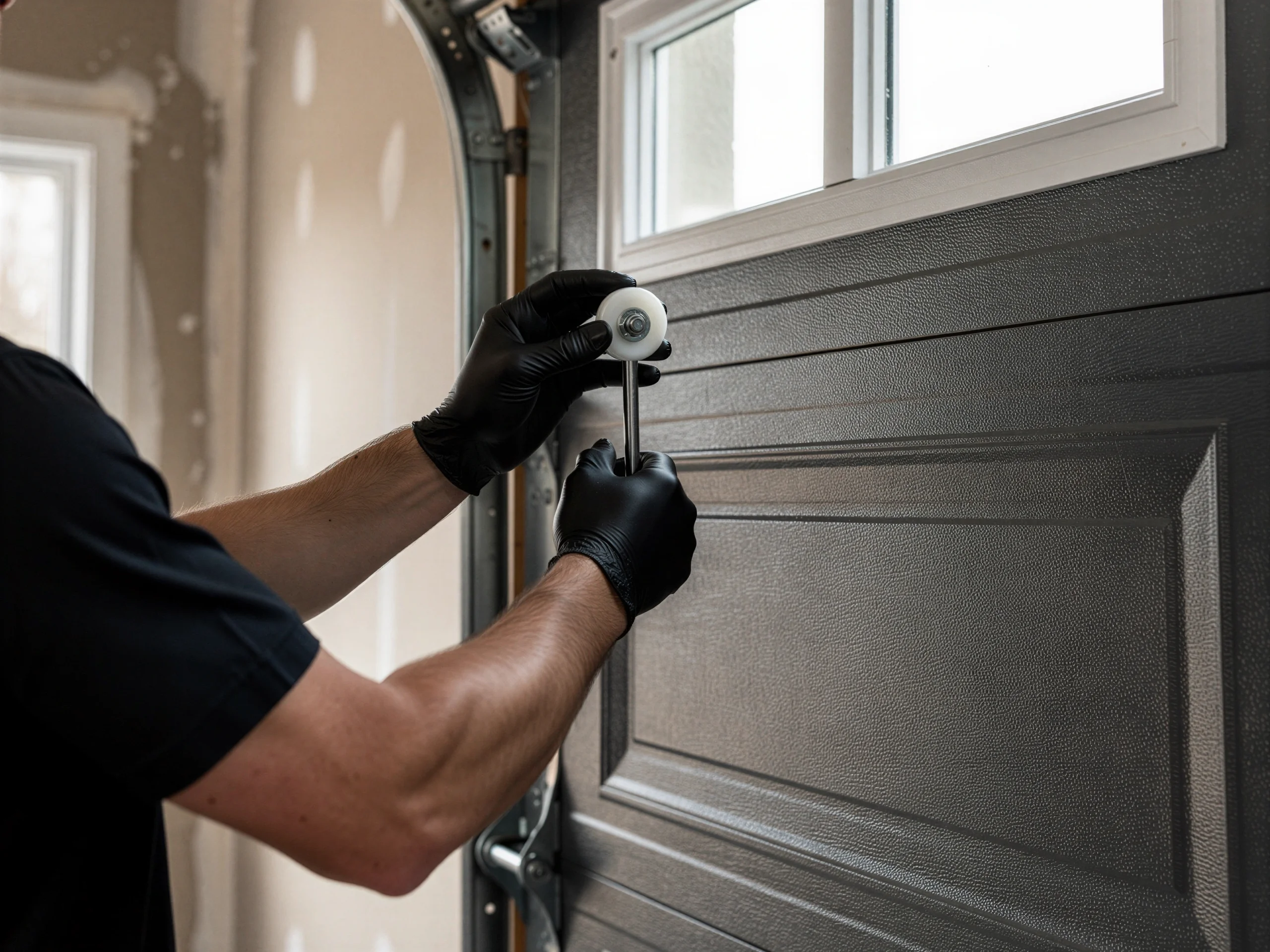
Lubricating the rollers with the right garage-door-specific lubricant (not WD-40, which washes out and attracts grit) takes ten minutes. What you shouldn't touch is the torsion spring system or anything under tension. A spring under load can put someone in the hospital, and on the 1938-1994 housing stock common around here, a lot of those springs and their mounting hardware are original or close to it.
Single spring identification
If your door has one spring across the top instead of two, or you're not sure which kind you have, that's already a sign to call rather than guess. We also won't talk you into a full tune-up on a door that's working fine just because it's been a while.
Visual check suffices
If the opener runs quiet, the door reverses properly when it hits something, and nothing's grinding, you may only need the visual check above. An honest maintenance visit sometimes ends with us telling you there's nothing to sell you.
How It Shows Up
Across the area's 37 named neighborhoods, most garage doors are running on hardware installed when the house went up - and with a median build year of 1972, that's hardware pushing fifty years old in a lot of cases.
Gradual alignment drift
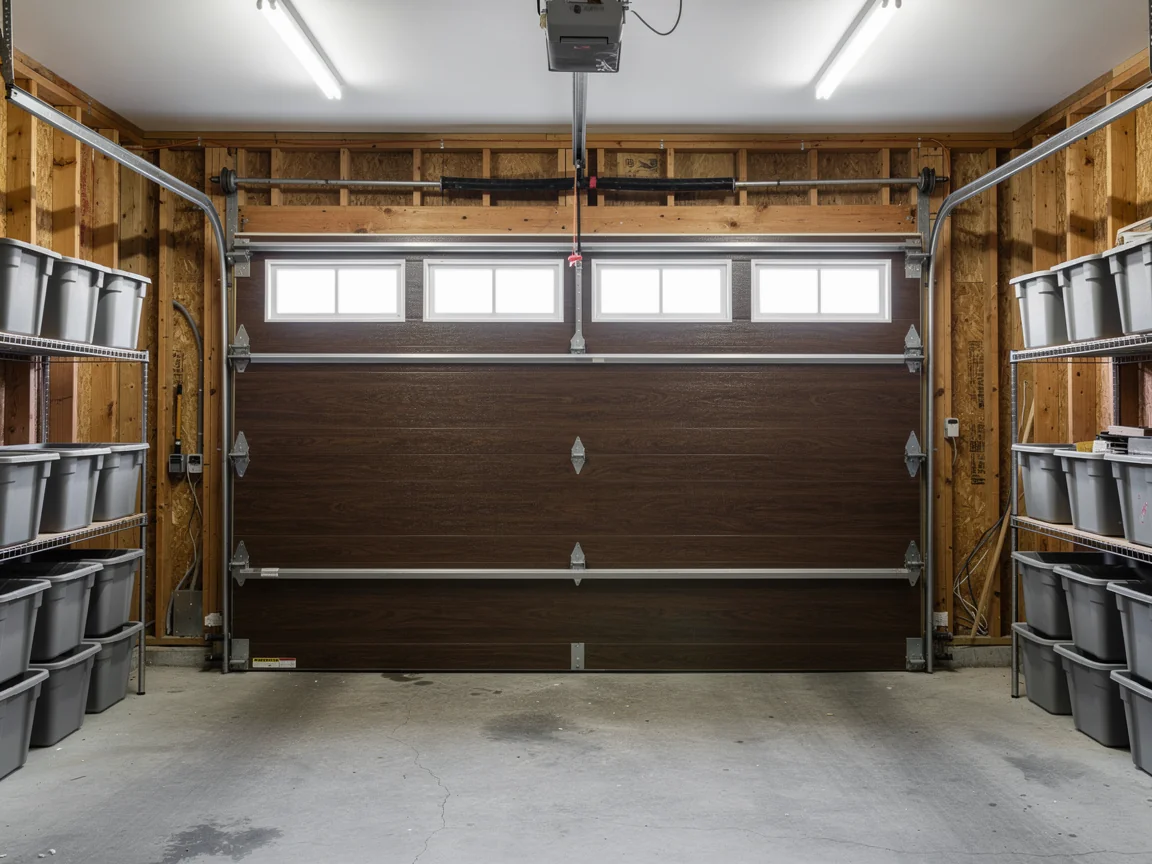
The failure pattern is consistent: tracks pull slightly out of alignment as the house settles, rollers dry out and start squealing before they seize, and cables fray where they wrap the drum. Cold winters here add a second layer to it.
Cold stiffens grease
Steel contracts, lubricant thickens, and a spring that was already fatigued from decades of cycles loses tension faster in a hard freeze. Homeowners usually notice it first as a door that's slower to open in January than it was in July, or an opener that strains and clicks before the door moves at all.
Newer doors age slower
On newer doors - the handful built since the 1990s with galvanized hardware and better seals - this shows up much later and less dramatically. But the bulk of what we service here is the older stock, where small neglect compounds instead of staying small.
Time on the Job
A standard maintenance visit - inspection, lubrication, hardware tightening, balance check, and sensor alignment - runs long enough to actually test the door through several full cycles, not just eyeball it once.
Early spring warning
If we find a spring near the end of its life or a cable starting to fray, we'll tell you on the spot rather than let it turn into an emergency call later. We don't rush the balance check.
Imbalance burns opener motor
A door that's out of balance by even a little puts extra strain on the opener motor, and on a 1970s-era door that strain shows up as a burned-out opener years before it should've failed. Catching that during a routine visit is the whole point of doing one.
Maintenance has limits
One limitation worth saying plainly: if your door's hardware is far enough gone - rust-seized hinges, a track that's bent rather than just misaligned - maintenance won't fix it, and we won't pretend a lubrication and adjustment will solve what actually needs a part replaced.
Why This Fails Locally
The reason maintenance matters more here than it would in a newer suburb comes down to the age of the housing. With homes built between 1938 and 1994 and most of that concentrated in the 1960s and '70s, the garage door hardware across the service area was largely sized and installed for a different era of use - lighter doors, simpler openers, less daily cycling than today's households put on them.
Pair that with a cold climate that's severe enough to stress metal and dry out lubricant twice a year, and you get doors that drift out of adjustment faster than their manufacturers ever assumed. A door built for a milder climate or installed in the last decade with modern coated springs doesn't see the same wear curve.
Across roughly 24,566 owner-occupied houses in this area, that's a lot of original torsion hardware still doing its job - for now. Routine maintenance doesn't stop the aging process, but it catches the point where a dry roller or a loose track turns into a cable snap or a stuck door, which is a very different kind of call.
Questions
Common questions
How often should I get my garage door serviced in Hanover?
Once a year is a reasonable baseline for most of the housing stock here, given how many doors are running on hardware from the 1960s-70s era. If your door sounds rough, opens unevenly, or struggles more in winter, don't wait for the annual visit - call when you notice it.
Is maintenance worth it on an older door, or should I just replace it?
Depends on what's actually wrong. If the panels and track are sound and it's just hardware wear - rollers, lubrication, balance - maintenance extends the door's life for not much money. If the springs are near failure or the track is bent, replacement often makes more financial sense than repeated repairs.
Why does my garage door get worse in the winter?
Cold contracts steel and thickens lubricant, which adds resistance right when an aging spring has the least tension to spare. On older torsion hardware common in this area, that combination is what pushes a slow-but-working door into one that won't open at all.
Explore more
Explore More Services In Hanover, PA
Garage Door Roller Replacement, Hanover PA
Most Hanover-area doors ride on steel rollers installed in the 1970s. Learn more →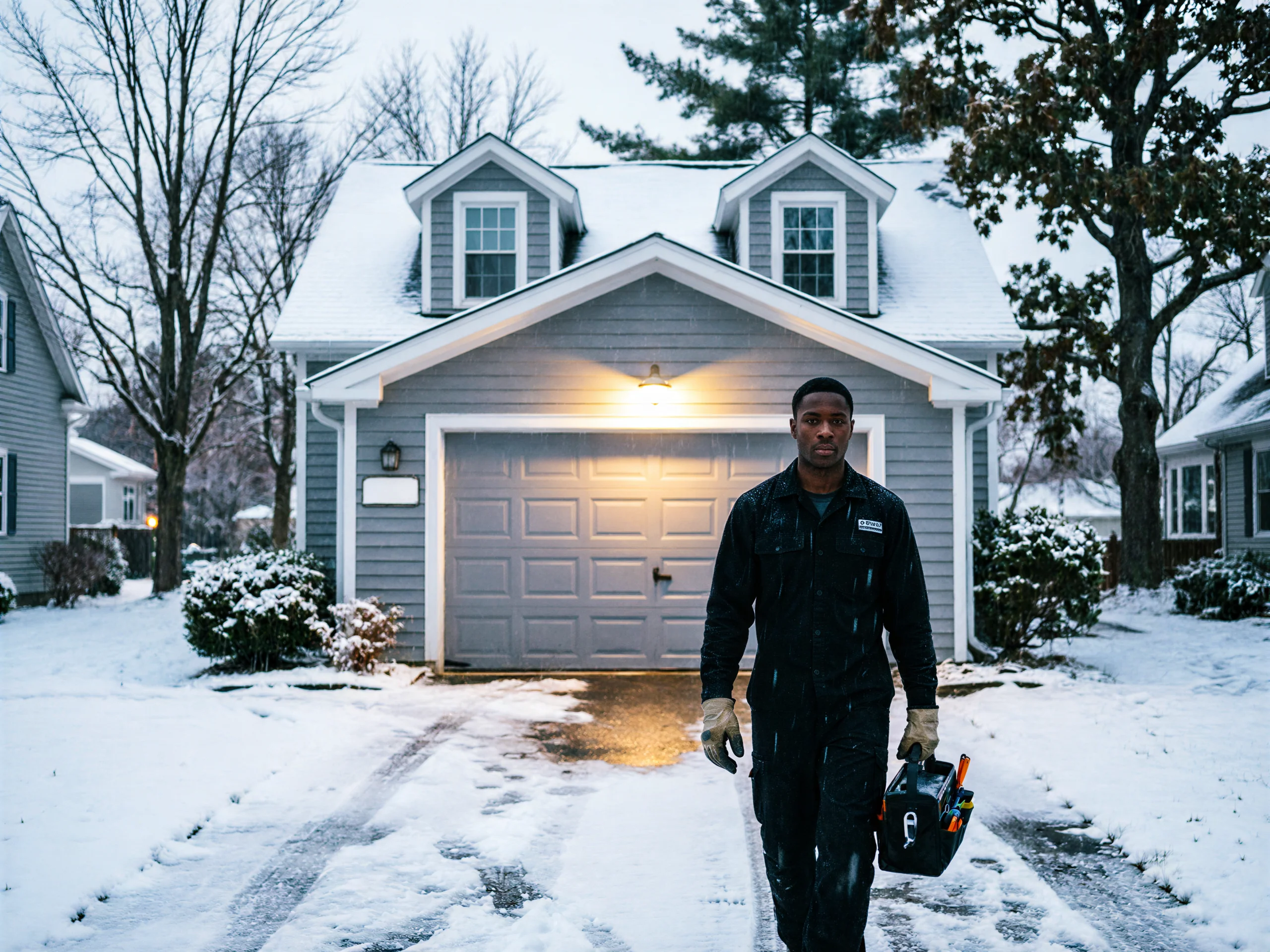
Emergency Garage Door Repair, Hanover PA
24-hour garage door repair for Hanover homes built mostly between 1938 and 1994, where cold-snap spring failures and original hardware are the norm, not the exception. Learn more →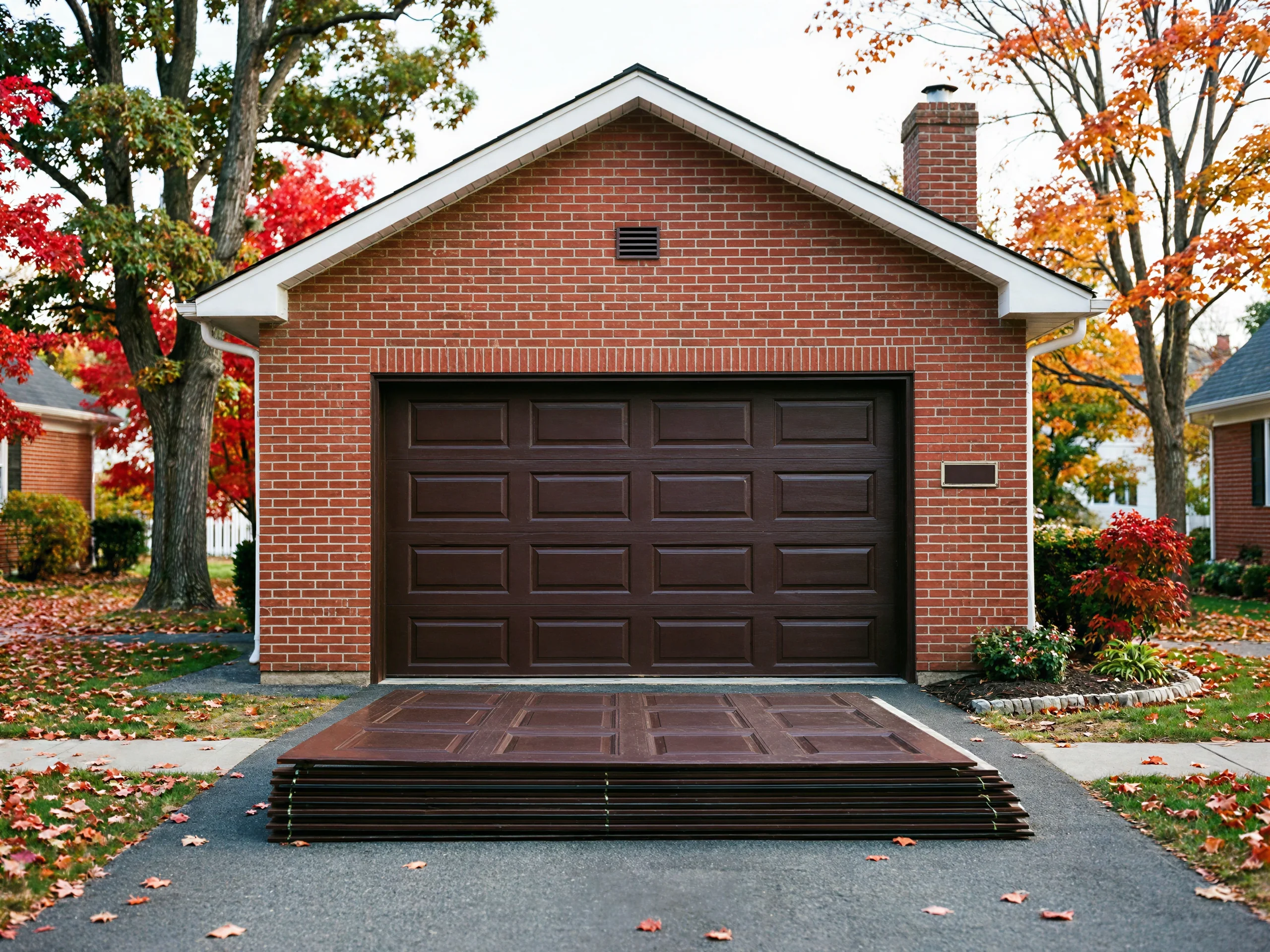
Garage Door Installation for Hanover's Older Housing Stock
Installing a new garage door on a Hanover house built between 1938 and 1994 means matching old framing and cold-climate hardware. Learn more →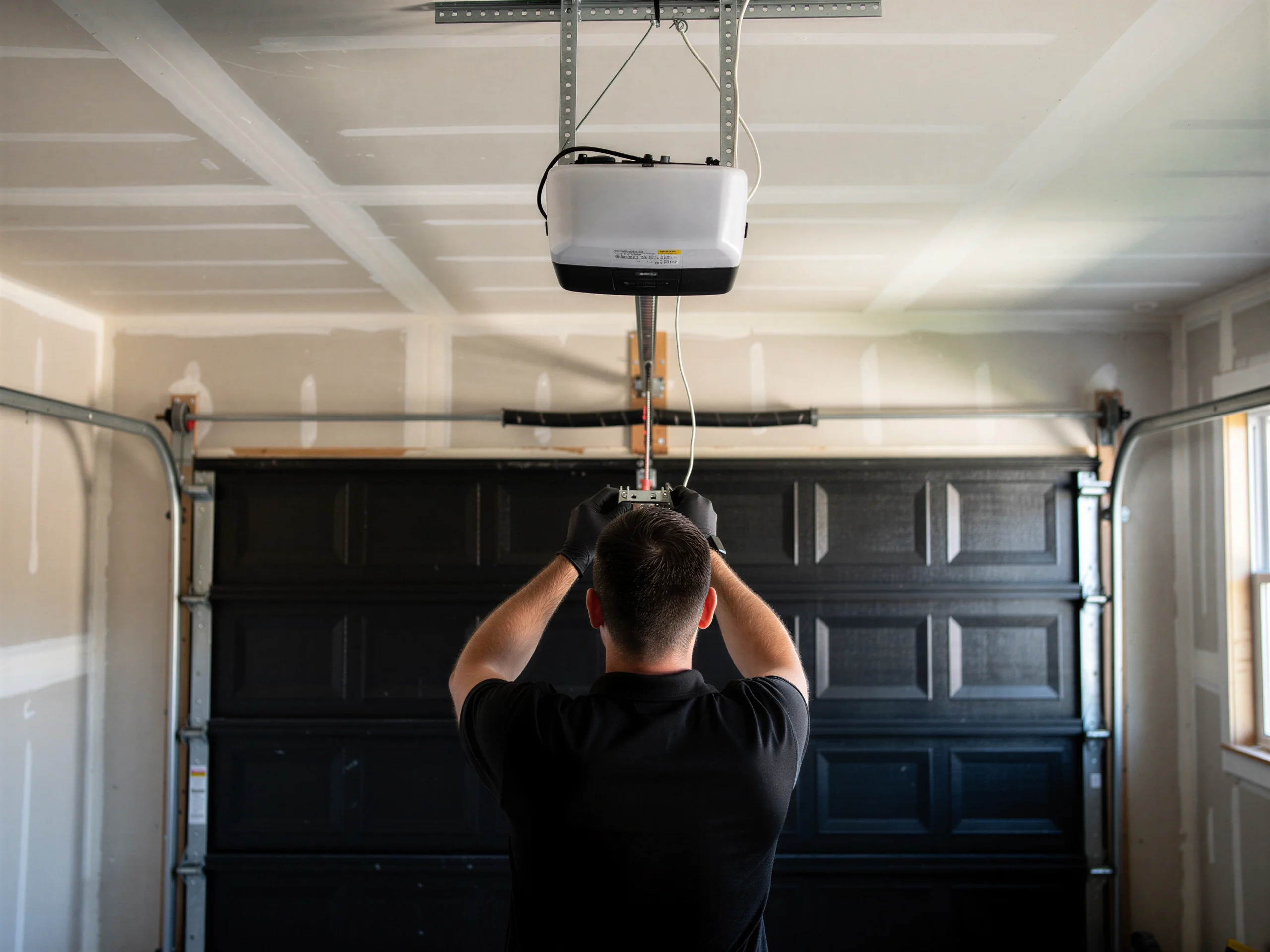
Opener Installation for Hanover, PA Homes
Opener installs for Hanover, PA homes built mostly between 1938 and 1994. Learn more →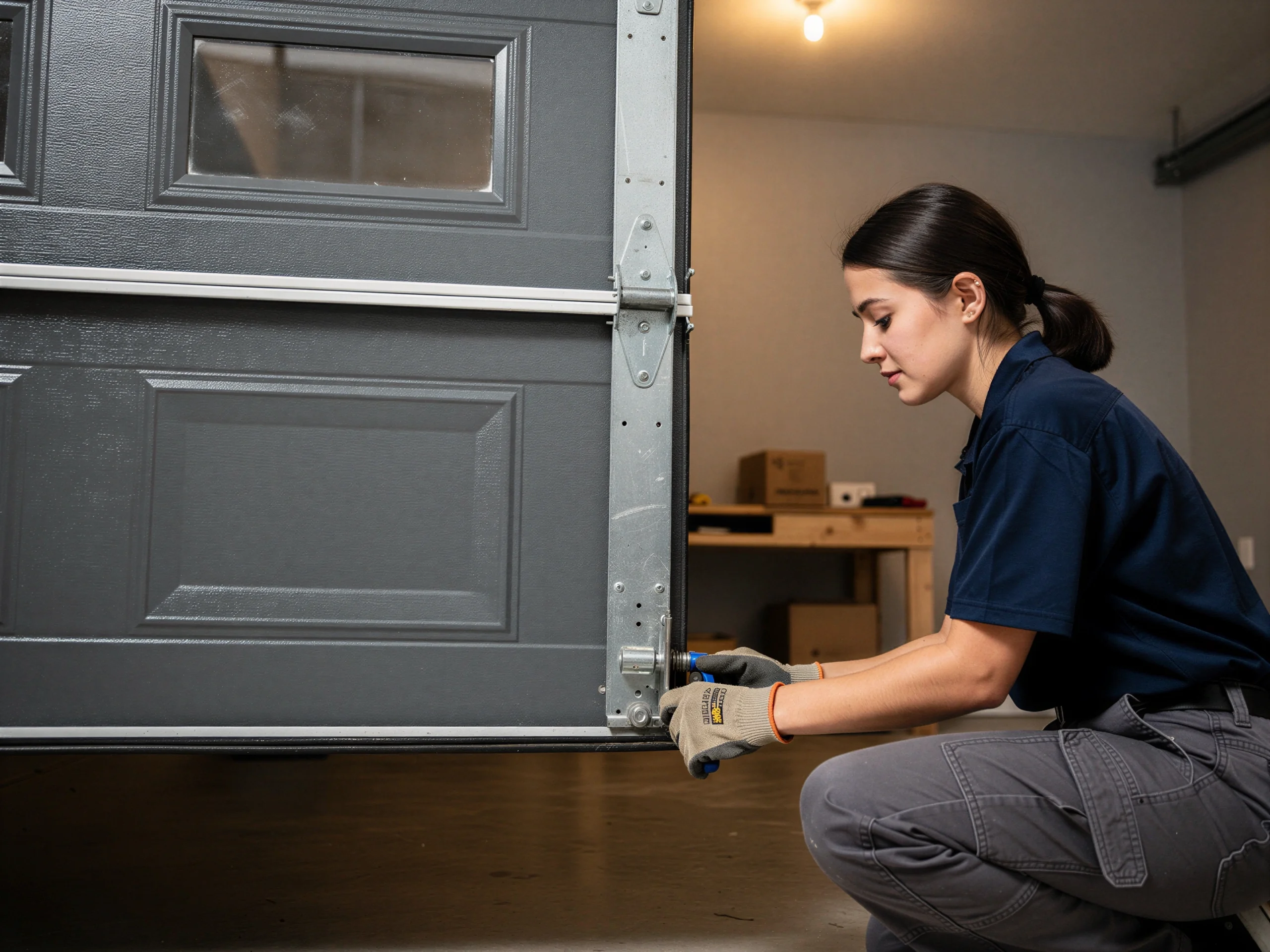
Garage Door Repair in Hanover, PA
Garage door repair for Hanover, PA homes built mostly between 1938 and 1994. Learn more →
Garage Door Service for Hanover's Older Homes
Garage door service for Hanover, PA homes built mostly between 1938 and 1994 - spring, track, and opener work suited to this area's older torsion hardware and cold winters. Learn more →Ready when you are
Time for a garage door tune-up in Hanover?
Hanover Garage Door Pros repairs and installs garage doors, springs and openers in Hanover, PA and the surrounding area.