
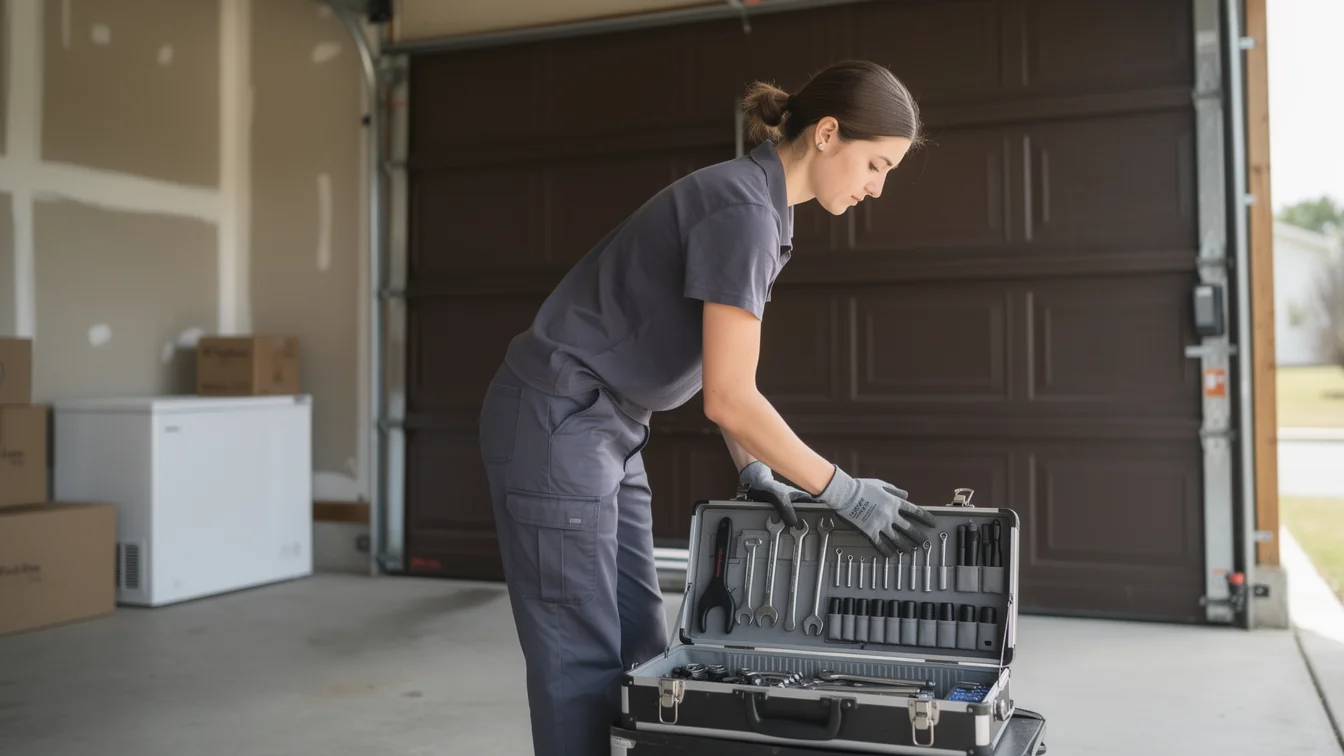
What We Actually Check on a Hanover Service Call
What actually happens on a garage door service call in Hanover, PA, where most houses date to the 1960s-70s and winters run cold and hard on springs.
Read moreBlogHanover, PA · 4 min read
See what a Hanover Garage Door Pros technician checks first on a service call, tied to the age of local housing stock and the area's cold winter climate.
Local detail
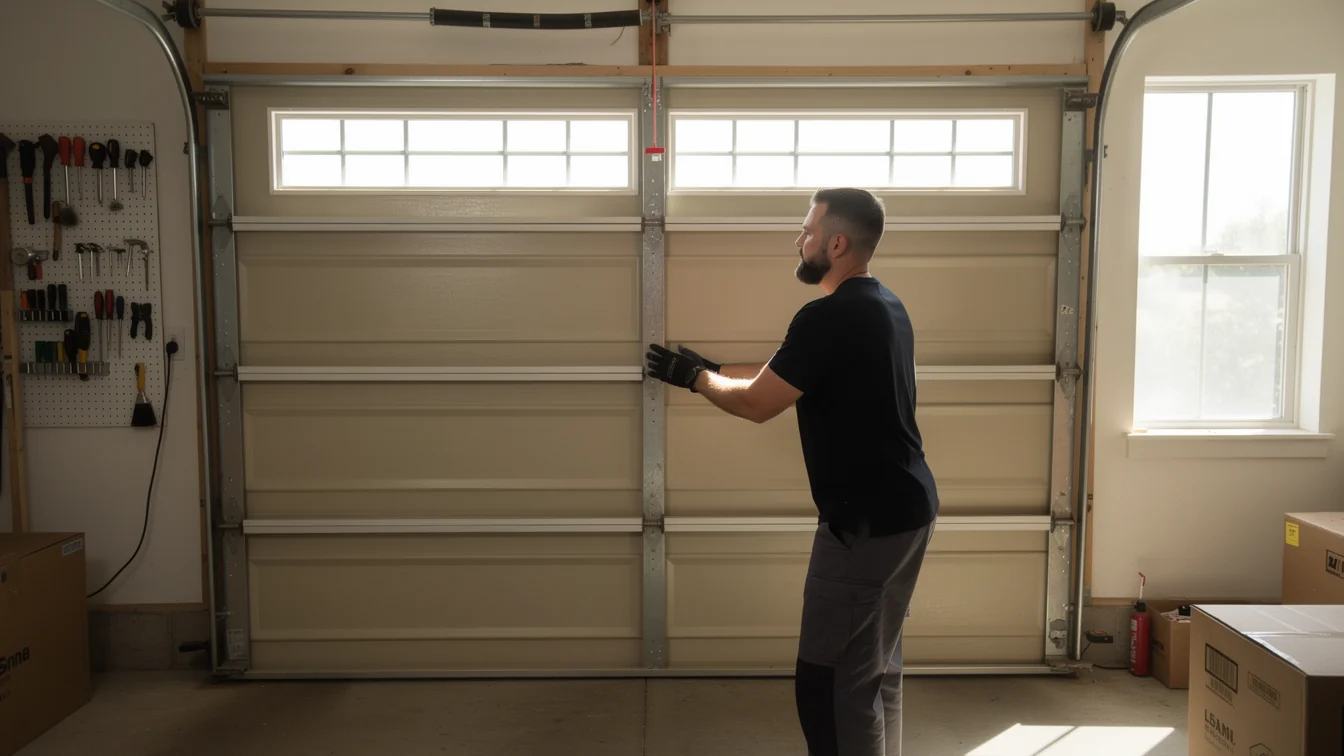
Most of the calls we run in Hanover come from houses built somewhere between 1938 and 1994, with the typical home on the job dating to around 1972. That matters before we even open the door panel. A door from that era usually means a torsion spring system sized for the original steel or wood door, hardware that's been painted over a few times, and a track that's been re-shimmed by at least one prior owner. We open with the spring and cable, not the opener, because on a house this age the opener is often the newest part on the whole assembly - homeowners replace openers every decade or so, but the spring and track frequently go back to whenever the house was framed. First thing on the clipboard: year the door was last serviced, if anyone knows, and whether the spring has ever been swapped. Most of the time nobody knows, which is itself useful information - it tells us we're likely looking at original hardware that's thirty, forty, even fifty years old, and we plan the job around parts that may not be a standard stock size anymore.
The area
Hanover sits in a climate zone the federal data classes as cold and severe, and that shows up in the garage before it shows up anywhere else in the house. Steel contracts in cold weather, and on a door built to 1970s tolerances that contraction is enough to bind a track that was never perfectly plumb to begin with. So after the spring, we check alignment - specifically whether the vertical tracks have pulled away from the jamb, which happens more on older framing that's shifted slightly over fifty-plus years of winters. We also check weatherstripping and bottom seal condition on every call, not because every customer asks, but because a cracked seal on a cold-climate door lets in enough drafts to matter on a heating bill, and it's a five-minute fix we'd rather flag than skip. Lubrication is next - the wrong grease thickens in cold temperatures and can make rollers drag, so what's on the hinges and rollers tells us something about whether a 'broken opener' call is actually a lubrication call.
What we find
The most common mistake we see on Hanover houses is someone trying to adjust spring tension themselves on hardware built before today's safety cable standards were common. A torsion spring on a door from the 1950s through 1970s can carry enough stored force to cause real injury, and the winding cone style used back then doesn't always match the tools sold at a hardware store today. The second mistake is replacing an opener without checking the track and rollers first - on a house with original 1960s or '70s hardware, a brand-new opener motor straining against a stiff or misaligned track will burn out faster than it should, and the homeowner blames the opener instead of the track that caused the strain. We also see people caulk or foam-seal gaps around an old door frame to fight drafts, which can trap moisture against wood jambs that have already taken fifty winters of condensation. Sealing the door itself, not the frame, is usually the better move.
How we work
Not everything needs a same-week call. If a door on an older Hanover house is a little noisy but opens and closes evenly, that's usually just dry rollers or hinges, and a homeowner can lubricate it themselves and watch it for a week or two before paying anyone to look at it. If the opener light stays on longer than it used to, that's a settings issue, not a hardware failure. Where we do say wait is on cosmetic wear - faded paint, minor surface rust on hardware that isn't flaking, small dents in a panel that don't affect the track. None of that is urgent on a house this age, and spending money on it before a spring or cable actually needs attention is money spent in the wrong order. Where we don't say wait: any sign the cable has started to fray, or a door that's started dropping unevenly on one side. On original hardware from the 1960s and '70s, that's not a wait-and-see repair - that's the spring or cable reaching the end of its service life, and it's worth the call before it fails.
Questions
Most of the houses we're called to were built between 1938 and 1994, with the median around 1972, so a lot of the spring and track hardware we see is original to that era - older winding cones, non-standard spring sizes, and tracks shimmed by hand rather than factory-set.
Yes. The area sits in a climate zone classed as cold and severe, and steel hardware contracts in low temperatures, which can bind tracks that are even slightly out of alignment. Cold also thickens the wrong grease, making rollers drag, which is one of the first things we check.
You can check for frayed cable, uneven movement, and whether the rollers and hinges need lubrication. We'd rather you not touch spring tension on an older torsion system yourself - that hardware stores enough force to cause a real injury if the winding cone isn't handled correctly.
Recommendation
More garage door guides for Hanover homeowners.
What actually happens on a garage door service call in Hanover, PA, where most houses date to the 1960s-70s and winters run cold and hard on springs.
Read more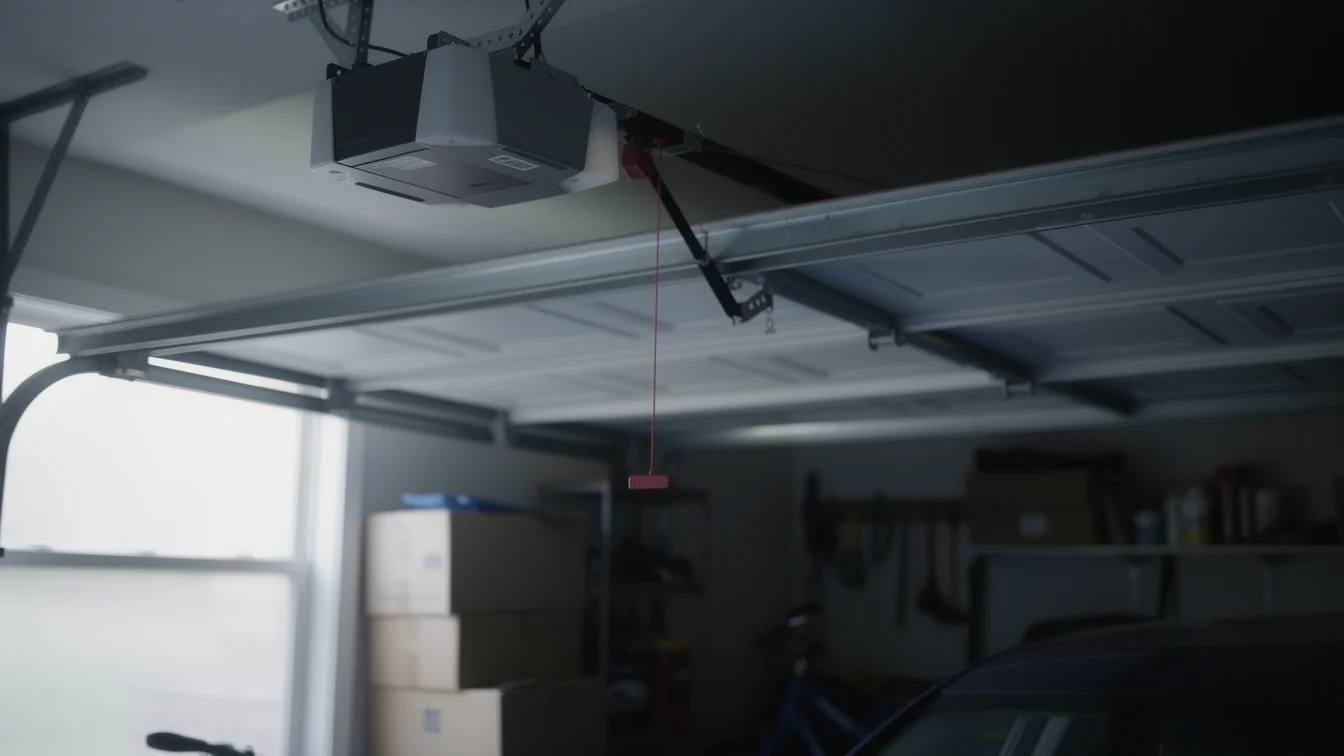
Hanover's housing stock dates mostly to 1938-1994, and cold-season outages catch older openers without battery backup.
Read more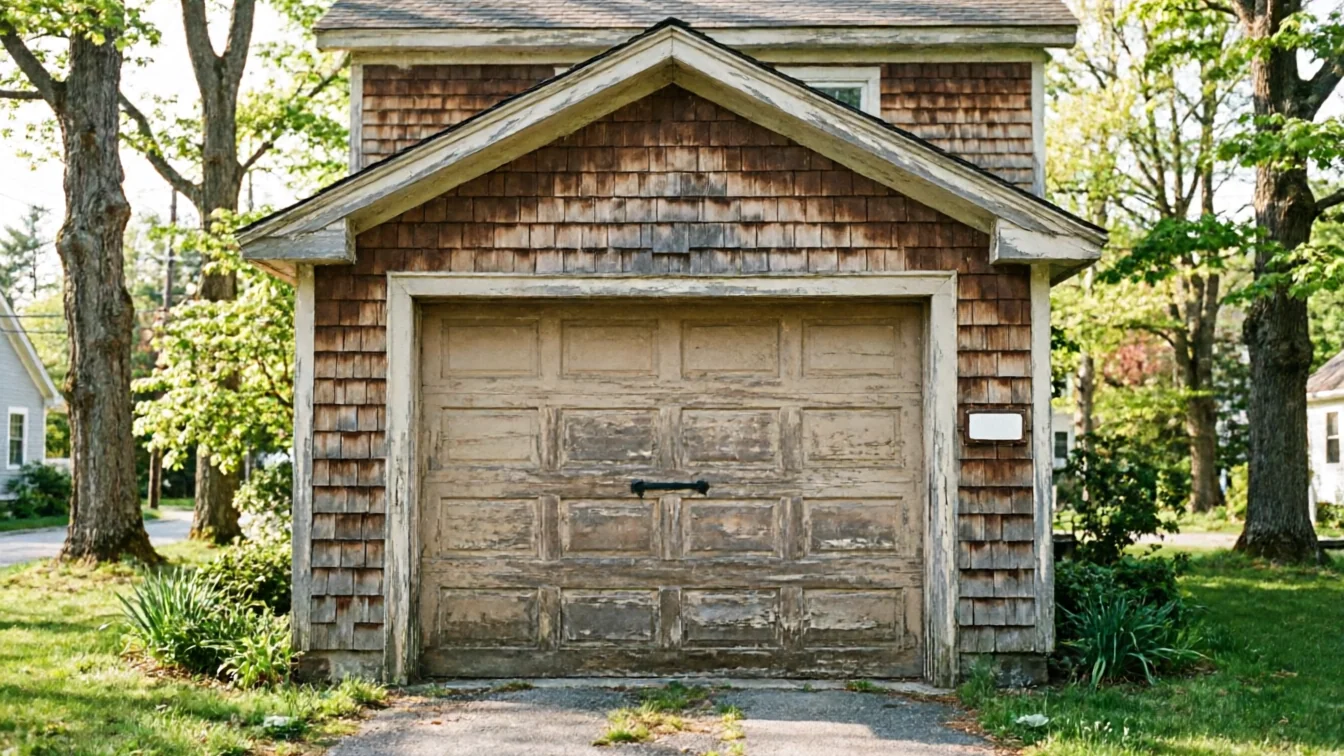
Hanover homes mostly date 1938-1994.
Read moreReady when you are
Hanover Garage Door Pros repairs and installs garage doors, springs and openers in Hanover, PA and the surrounding area.