Parkville, Hanover
Garage Door Repair for Parkville's Late-1970s Housing Stock
Parkville homes went up mostly around 1979, later than much of Hanover's service area. That means different doors and different failures. We drive the 2 miles from Hanover to fix them.
- Garage Door Repair
- New Door Installation
- Springs & Openers
What It Costs
Parkville's median build year sits around 1979, a good decade or more newer than much of the surrounding Hanover service area, where the typical house dates closer to 1972.
Pricing follows build era
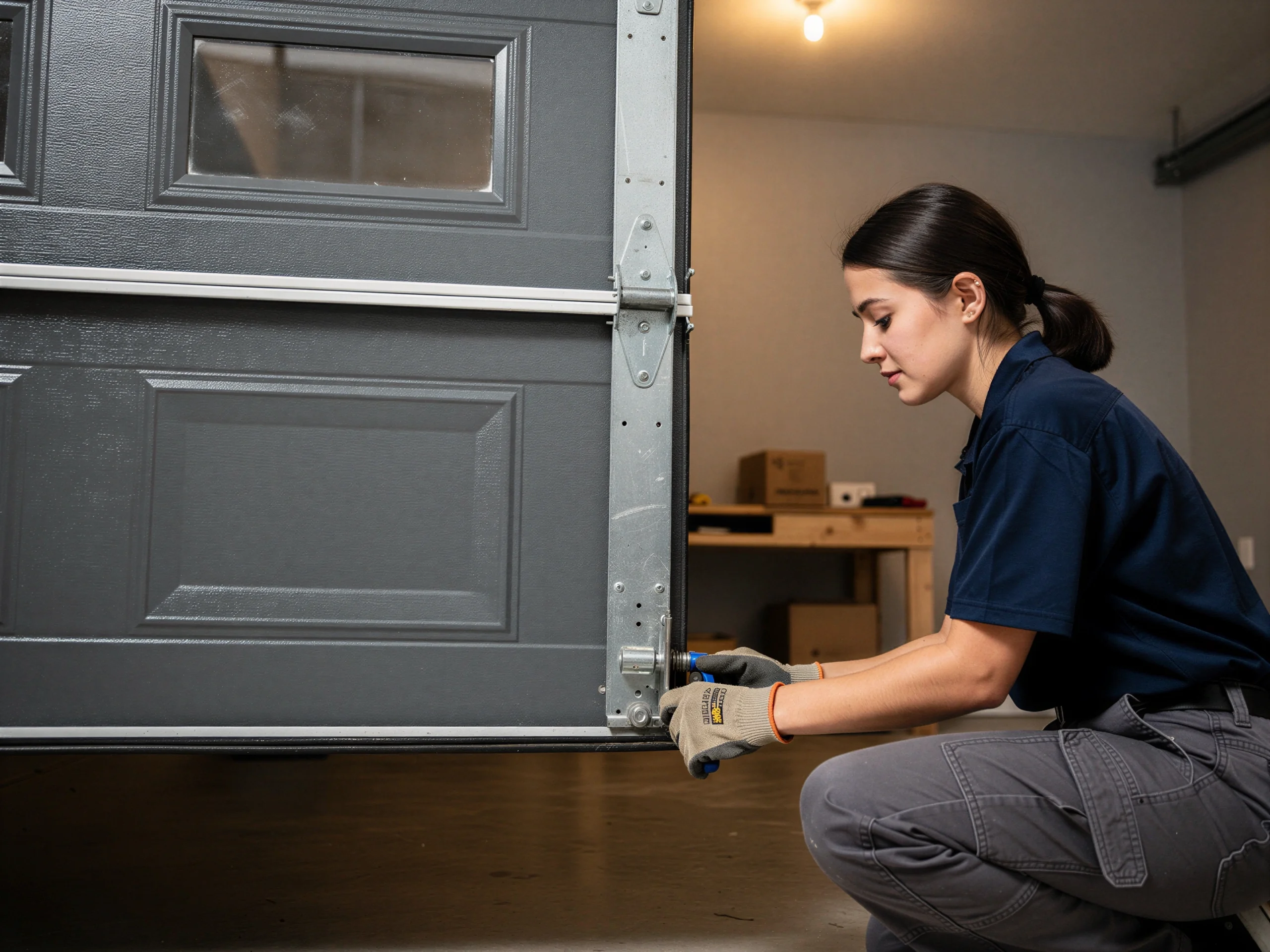
That gap matters for pricing. By 1979 most garages here were built for steel sectional doors on torsion springs, not the older wood or single-panel doors still common in the oldest parts of the area. A torsion spring swap on a door from this era is usually a more standard job than the older barn-style doors nearby, because the hardware is more consistent and parts are easier to source.
Track and roller wear
What pushes the price up in Parkville specifically is track and roller wear - doors from the late 1970s and early 1980s are now 45+ years old, and a lot of them are on their second or third spring but still the original track, which has usually warped enough to need replacing alongside the spring.
Range depends on scope
We won't quote a number here we can't back up in person, but the honest range depends on whether it's spring-only or spring-plus-track. We don't publish flat prices because every door on this street has different wear, and guessing low just to get the call isn't worth it to us.
Why This Fails Locally
A door built around 1979 was engineered for the winters this region actually gets, not a mild one. The climate here is classified cold and severe, and a steel door from this era typically has thin, uninsulated skin with minimal weatherstripping by today's standard. Over 45 winters, the steel panels on these doors have taken repeated cycles of contraction in deep cold and expansion in summer heat, and that cycling is what cracks the bottom seal and loosens panel screws long before the spring itself gives out. Parkville's housing stock, going up a few years after much of the broader area, mostly skipped the wood door entirely and started with steel - so the specific failure here is less about rot and more about seam fatigue and hardened old lubricant seizing rollers in cold snaps. That's a different repair conversation than a 1960s wood door with sagging panels.
The Complications
At 3,218 households, Parkville is a small slice of the roughly 47,575 households Hanover Garage Door Pros covers across the wider area, and most of those houses were built within a tight 10-year window around 1979.
Neighbors fail together
That means when one door on a block starts failing, several neighbors' doors are often close behind it on the same wear curve, all installed by the same handful of builders using the same hardware specs.
Assuming isolated spring failure
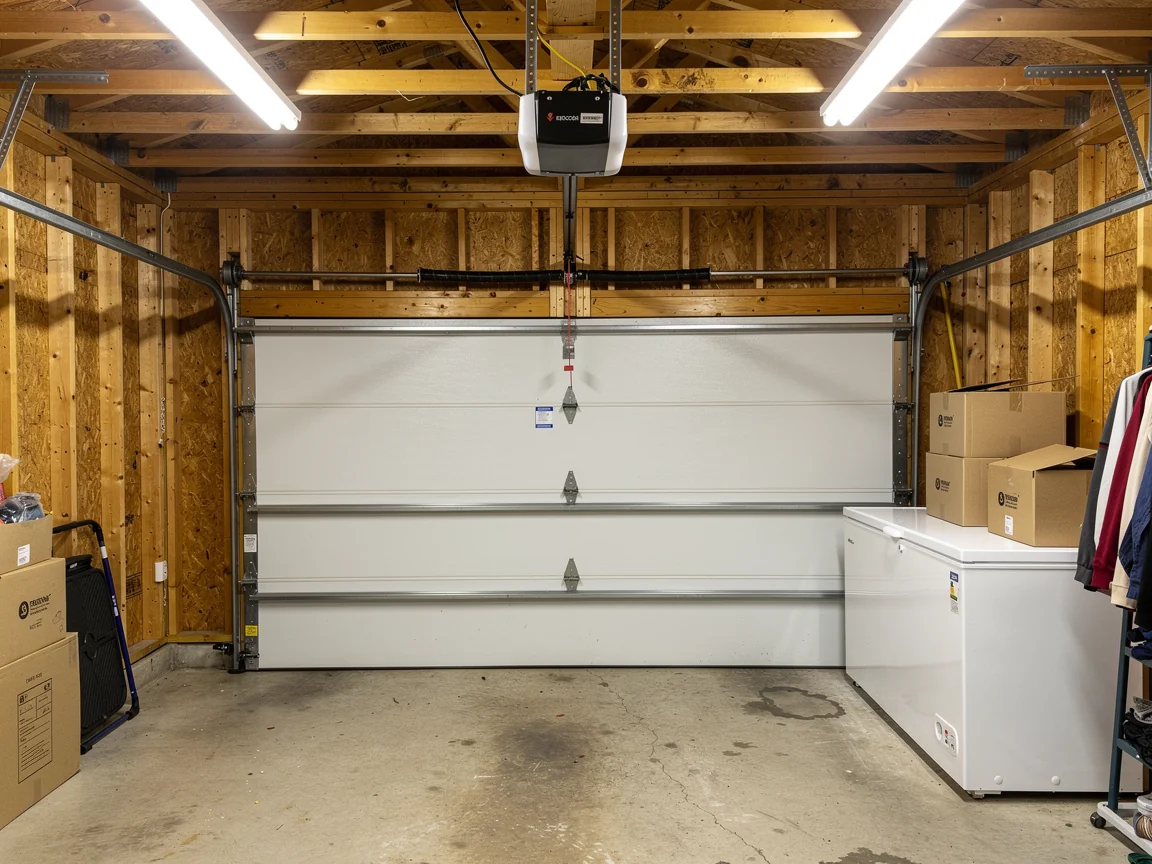
The complication isn't parts scarcity the way it can be with much older doors - it's that homeowners here often assume a spring failure is isolated when it's really the whole original torsion setup reaching end of life at once, springs, cables, and track together.
Budget shapes replace-or-patch
Median household income in Parkville runs around $74,509, a bit under the $79,094 median across the full service area, which is worth mentioning only because it shapes a real decision: replace the whole aging system now, or keep patching it door by door as each part fails on its own schedule.
Can You Do This Yourself
Some of what fails on a 1979-era door is genuinely DIY - tightening loose panel screws, cleaning and lubricating rollers, swapping worn weatherstripping. None of that requires a call. What we won't recommend doing yourself is anything involving the torsion spring itself. A door from this era is heavy steel, not the lighter aluminum used in some later builds, and a torsion spring under that kind of load lets go with enough force to break bones or worse if you don't have the winding bars and the experience to use them. We also won't talk anyone through replacing bent track alone - track alignment on an old steel door is finicky, and getting it slightly wrong just means the next failure comes faster. If it's loud but moving, that's often a lubrication fix. If it won't move at all, that's a call.
How It Shows Up
In Parkville it usually starts as a scraping or grinding sound right at the top of the door's travel, which is the sound of a roller bearing that seized up over a cold stretch and is now grinding metal on metal instead of rolling.
Uneven opening height
Next comes a door that opens unevenly, one side higher than the other, which on a door this age is almost always a spring that's lost tension unevenly rather than a track problem.
Total stall signals spring
The worst version is a door that won't budge at all - full stop, no movement, opener straining - and on a late-1970s steel door that's a broken torsion spring nine times out of ten, not a motor issue.
Address before second spring
We're a 2-mile drive from Parkville out of Hanover, so once you've got one of these symptoms, it's worth getting it looked at before the second spring on a double door goes too and the whole thing comes down uneven.
Questions
Common questions
Why does my Parkville garage door sound fine until it's cold out?
Steel doors from this era use lubricant and seals that stiffen in cold weather. In the severe cold climate here, that stiffening is enough to seize a worn roller bearing or bind a spring that was already near the end of its life, which is why problems often show up first on the coldest mornings rather than gradually.
Is it worth replacing the whole door instead of just fixing the spring?
If your door was built around 1979, like most in Parkville, and it's on its second or third spring with the original track, repairing one part often just moves the next failure closer. We'll tell you honestly when a repair makes sense and when it doesn't, rather than replacing something that still has life in it.
Do you have a shop in Parkville?
No. We're based in Hanover and drive the roughly 2 miles out to Parkville for calls. There's no local branch here, just the same crew coming from Hanover each time.
Can I replace a torsion spring myself on an older steel door?
We don't recommend it. A torsion spring on a door this heavy stores enough force to cause serious injury if it releases while you're working on it. Tightening screws or lubricating rollers is fine to do yourself; the spring and track work isn't.
Explore more
More Services in Parkville
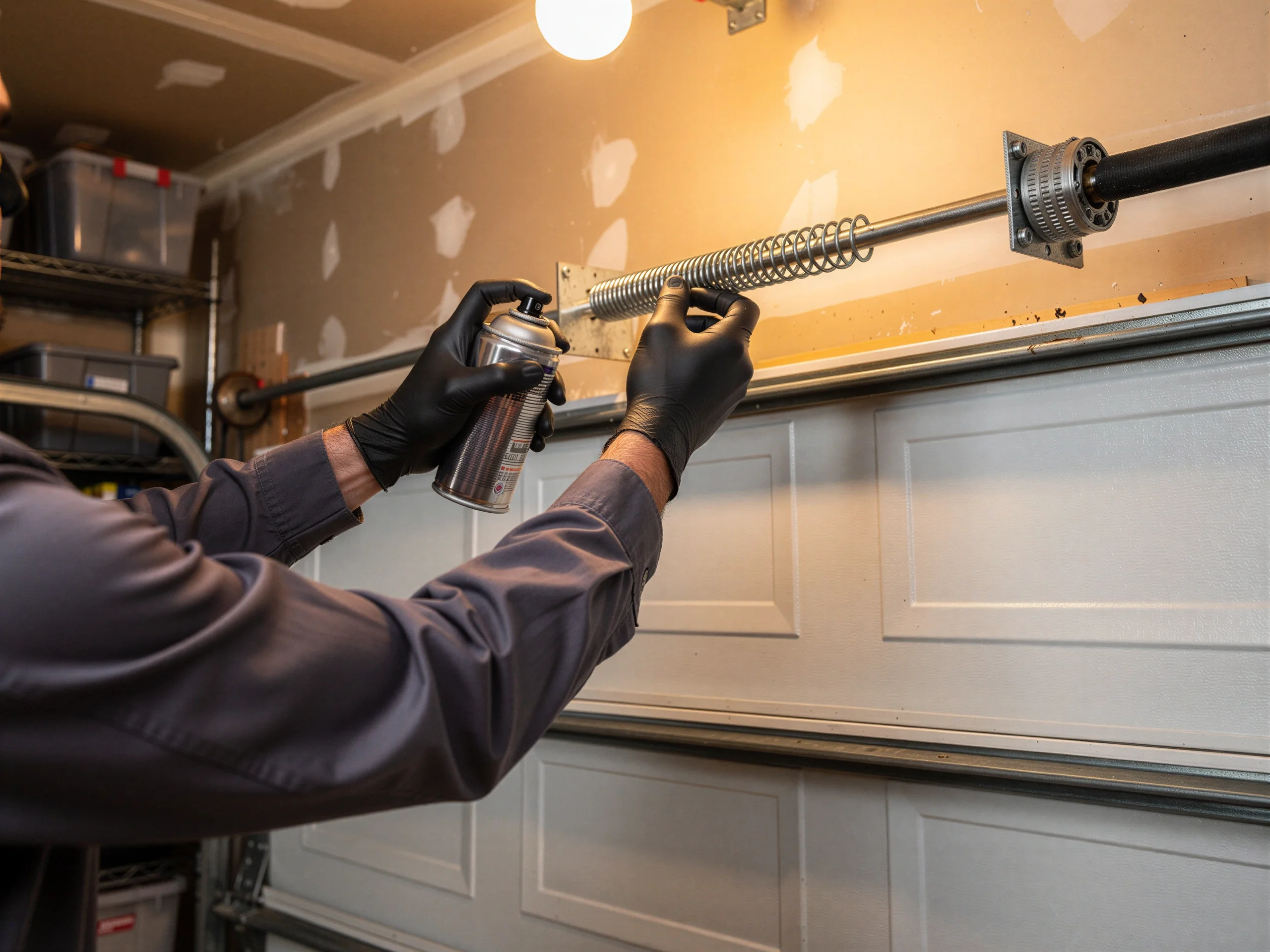
Garage Door Service
Hanover Garage Door Pros services Parkville, PA, 2 miles from Hanover, where most homes date to the late 1970s and need period-correct spring and opener repair. Learn more →
Maintenance
Parkville's median household income runs under the area average, which changes the repair-or-replace math on a 1979-era door. Learn more →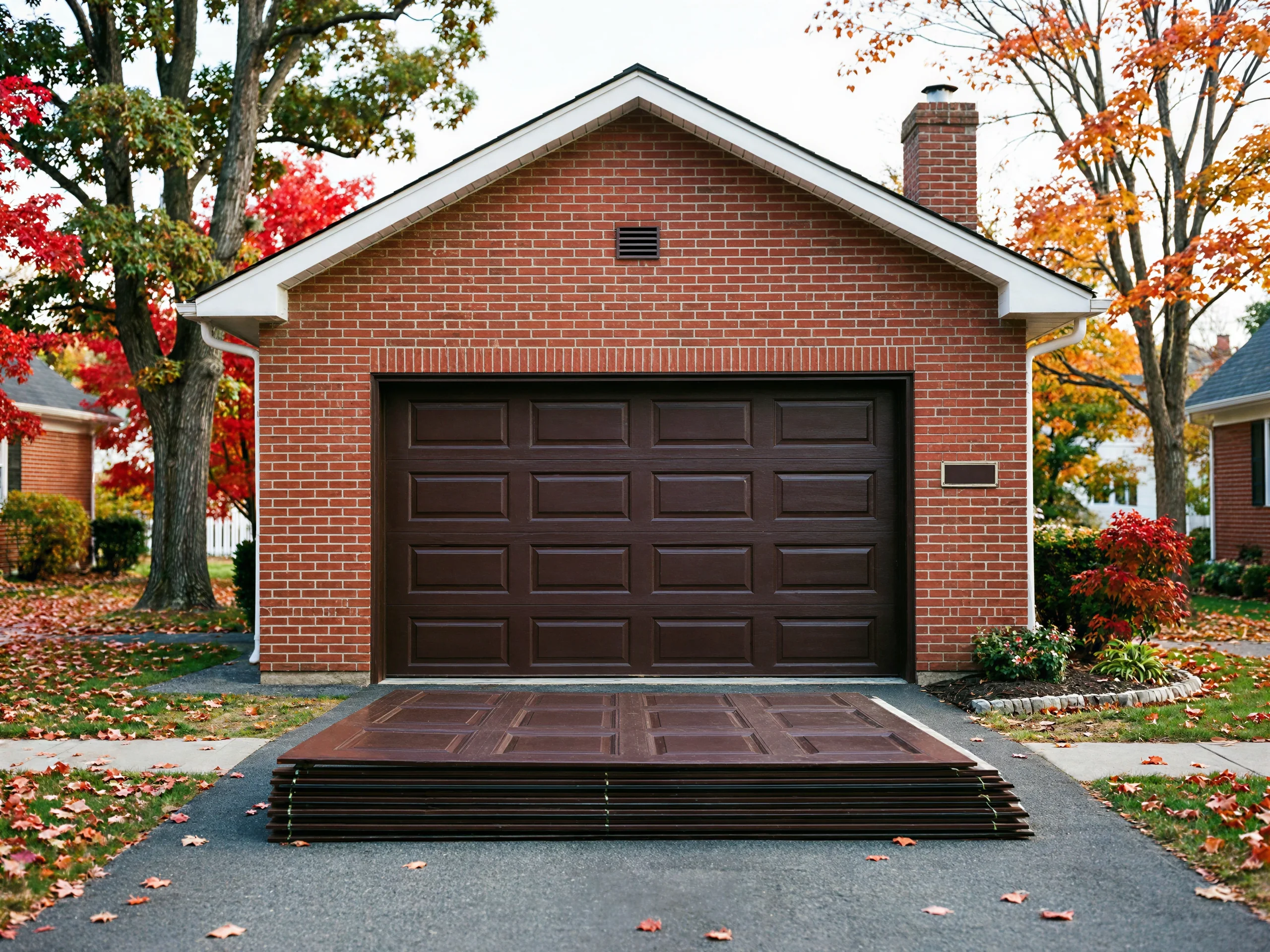
New Door Installation
New garage door installation in Parkville, PA, 2 miles from Hanover. Learn more →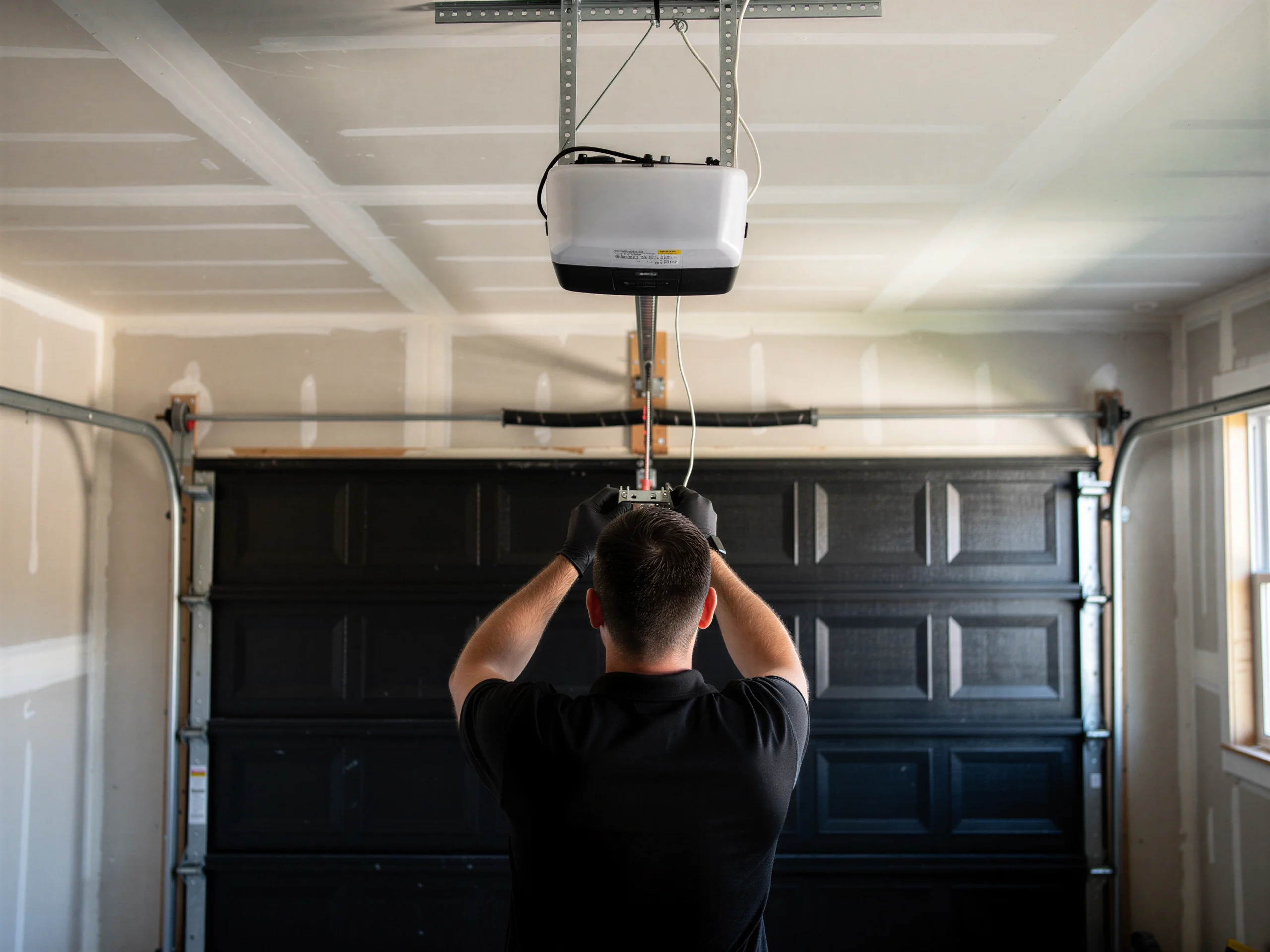
Opener Installation
Parkville homes run newer than most of the Hanover service area - 1979 median build year. Learn more →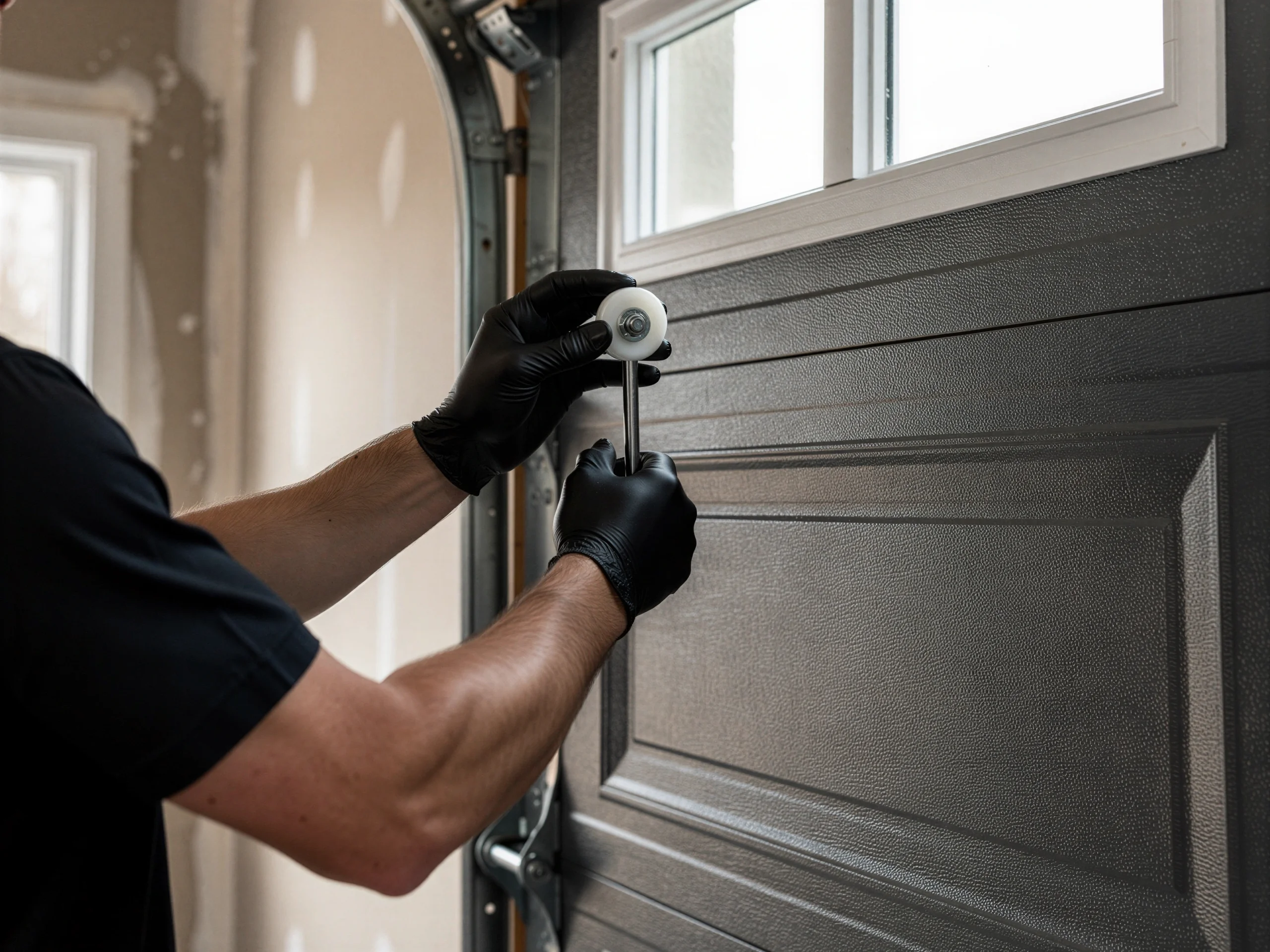
Roller Replacement
Most Parkville garage doors date to the late 1970s, when steel rollers on steel track were standard. Learn more →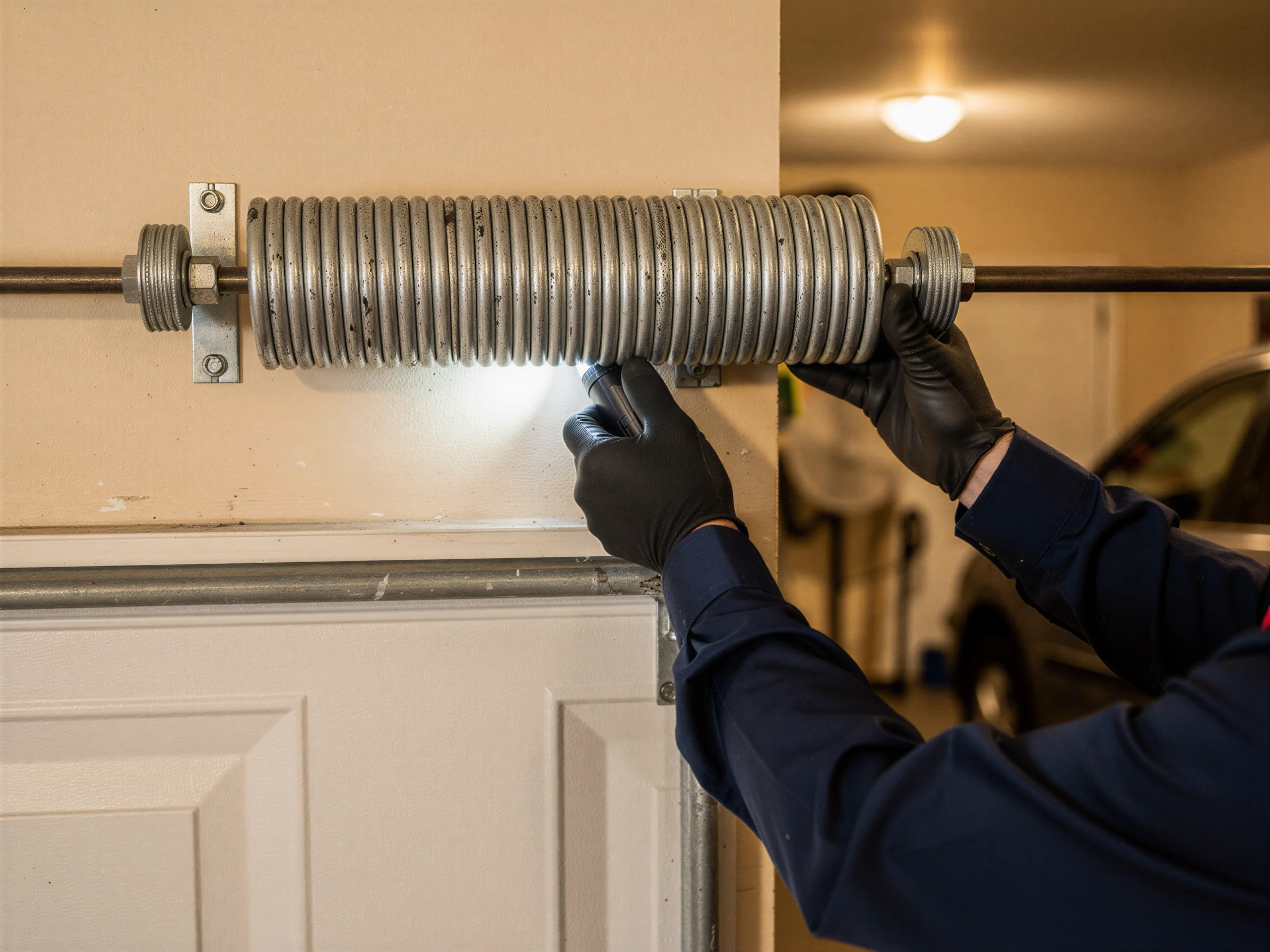
Spring Repair
Parkville homes date mostly to 1979, two years newer than the Hanover-area norm. Learn more →Ready when you are
Garage door trouble in Parkville?
Hanover Garage Door Pros repairs and installs garage doors, springs and openers in Hanover, PA and the surrounding area.