Parkville, Hanover
Garage Door Repair Built Around Parkville's 1970s Housing Stock
Hanover Garage Door Pros services Parkville, PA, 2 miles from Hanover, where most homes date to the late 1970s and need period-correct spring and opener repair.
- Garage Door Repair
- New Door Installation
- Springs & Openers
What It Costs
Most houses in Parkville went up around 1979, a few years later than the 1972 median for the rest of Hanover Garage Door Pros's service area.
Lighter gauge panels
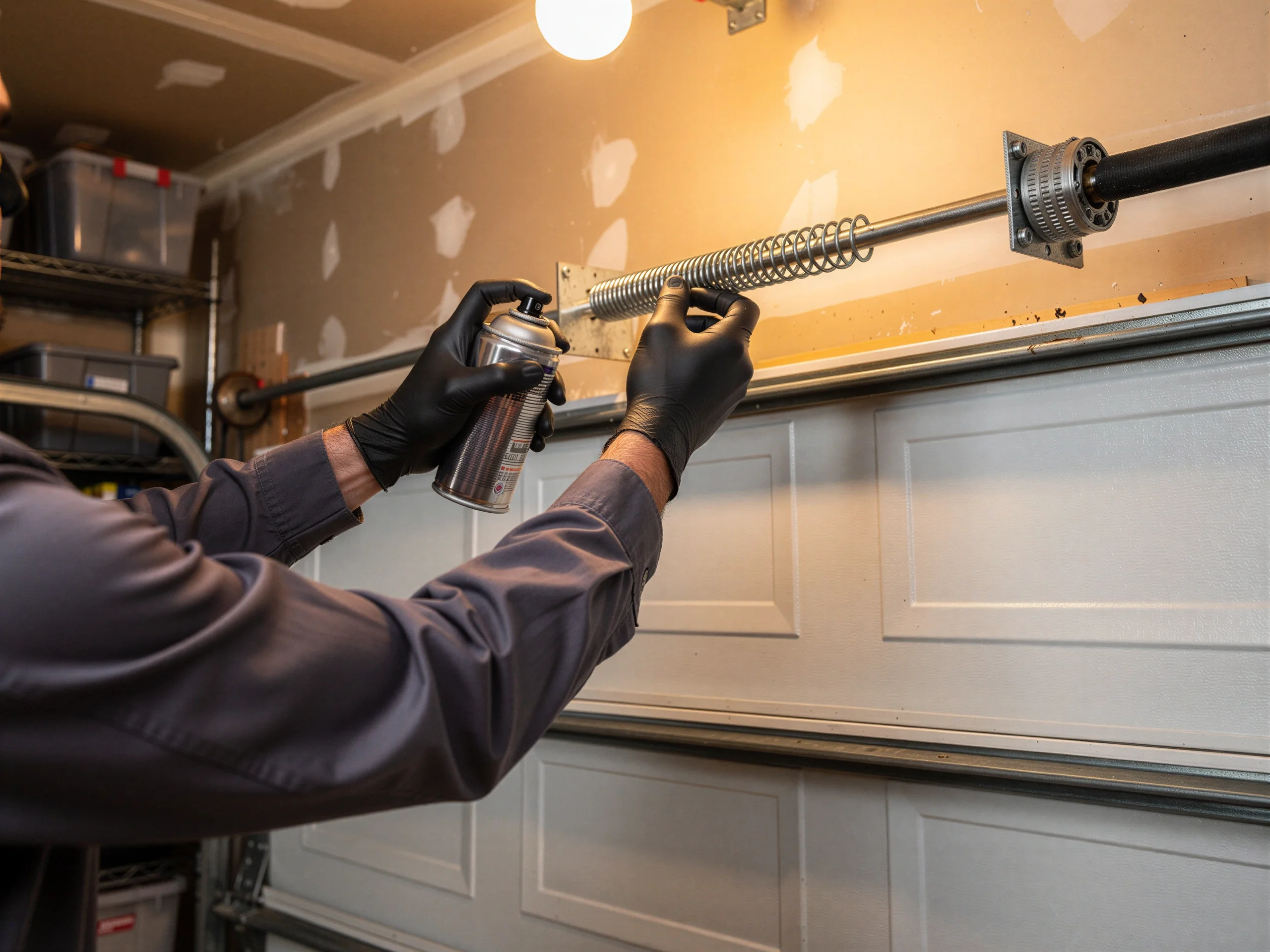
That gap matters on the inside of the garage. Doors hung in the late 1970s left the factory with lighter 24-gauge steel panels, extension springs running along the horizontal tracks, and openers rated at a third of a horsepower - built for weight, not for the heavier insulated doors homeowners add later.
Which original part fails
What it costs to put right in Parkville usually comes down to which of those three original parts is failing: a spring, a track, or an opener that's been asked to lift more door than it was built for.
No published price list
We don't publish a flat price list because what a job runs depends on what's actually on the door when we open the panel - two Parkville houses built the same year can have completely different hardware if one owner already swapped a spring. This page covers what the local housing stock means for the repair you'll need.
Why This Fails Locally
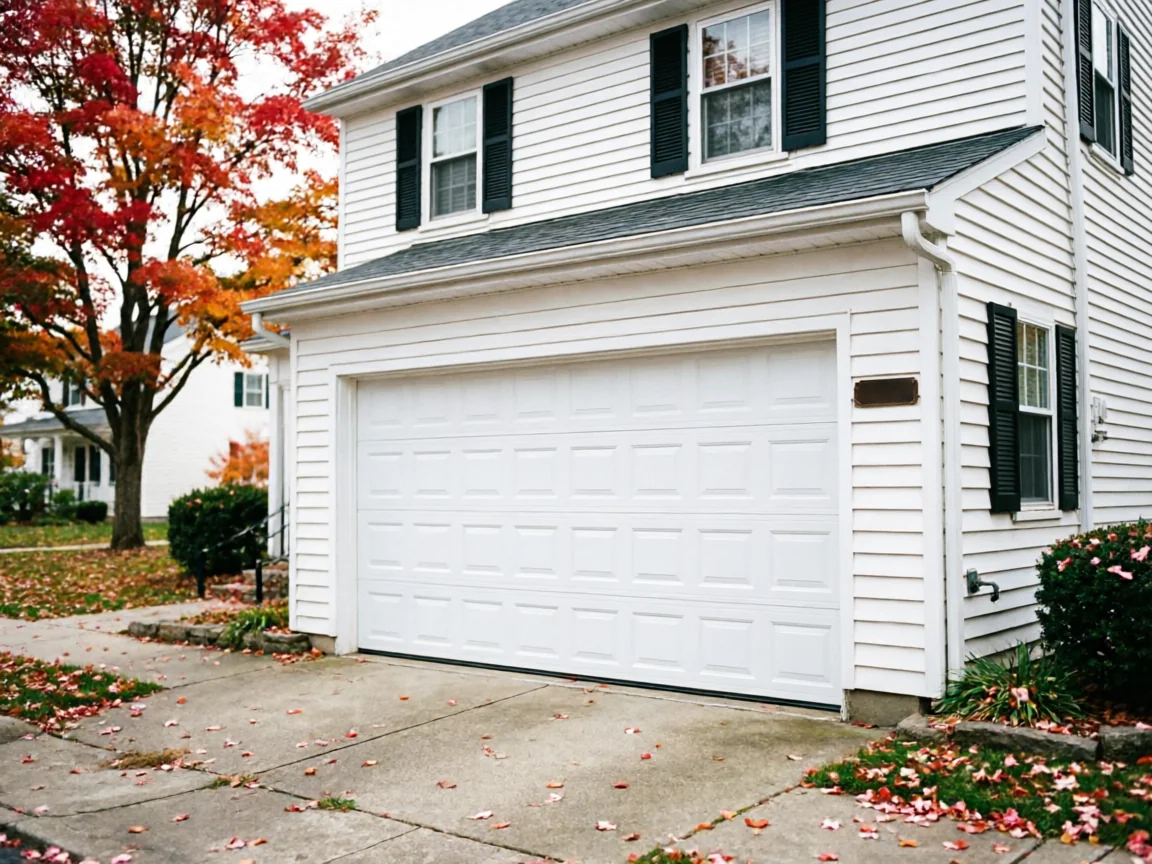
Parkville sits in the same cold-climate band as the rest of the region, and that matters more on a door built in 1979 than on a newer one. Steel panels from that era are thinner than what's sold today, and the foam or fiberglass insulation many of them shipped with has had four decades to compress or pull away from the skin. Cold snaps tighten steel and stiffen the lubricant in an original torsion or extension spring, so the spring that's been creaking along fine in October gives out in a January cold stretch instead. Weatherstripping on a door this age is usually long gone or hardened past the point of sealing anything, which doesn't break the door but does let cold air sit on hardware that's already fatigued. None of this is a defect unique to any one house - it's what happens to any door from that build era once you put it through forty-plus winters in a severe cold climate. The houses here just happen to cluster tightly enough around 1979 that the pattern shows up block after block rather than as a one-off.
The Complications
The complication in Parkville isn't usually the repair itself - it's finding the part. A door from 1979 often used spring and track hardware sized differently than what's stocked for today's sectional doors, so an extension spring replacement can mean sourcing a length or wire gauge that isn't sitting on a standard parts truck.
Cable fray spreads to pair
Galvanized lift cables from that era fray at the drum long before the spring itself gives out, and once a cable frays on one side of a double door, the opposite side is usually close behind it even if it looks fine.
Old hardware matching decision
At a median household income of $74,509, a bit under the $79,094 median across the service area, repair-versus-replace decisions often come down to whether old hardware is worth matching. Neither choice is wrong, but matching old parts can cost more in labor than converting to current hardware.
Can You Do This Yourself
Some of this is fine to handle yourself. Lubricating rollers and hinges, checking that the track bolts are snug, and swapping worn weatherstripping are jobs most Parkville homeowners can do with hand tools and an afternoon. A spring is a different matter. An extension or torsion spring on a door from the 1979 era is still under enough tension to cause real injury if it's released wrong, and the fittings on an original spring setup aren't always the same as what's sold in a big-box hardware aisle, so a part that looks right can be the wrong wire gauge. We won't talk anyone out of trying a roller or weatherstrip swap - that's a reasonable Saturday project. Spring and cable work on an old torsion or extension system is where we'd tell you to call it in, and we say that knowing it costs us nothing to say otherwise. For anything beyond lubrication and weatherstripping, our Hanover service page explains what a service call covers.
How It Shows Up
In a house built around 1979, the first sign is usually noise - a grinding or popping on the way up that wasn't there a year ago, which is often a spring losing its temper rather than a track problem.
Reversal means lost spring
A door that reverses partway or won't stay up more than a few inches almost always points to that same spring having let go or lost enough tension that the opener is doing work it was never built for.
Sagging before breakage
Doors on original hardware also tend to sag visibly on one side before anything actually breaks, since an aging extension spring loses tension unevenly rather than all at once. If the opener strains, clicks, or runs longer than it used to before the door moves, that's often the motor compensating for hardware it can no longer lift cleanly.
Slow build, sudden failure
None of these show up overnight - they build for months, which is why a door that was fine in spring can fail without warning once the first cold stretch of the following winter hits.
Questions
Common questions
How far is Parkville from Hanover Garage Door Pros?
Parkville is about 2 miles from Hanover, so a truck reaches it quickly, though we don't keep a separate branch or dispatch point in Parkville itself - every job travels from Hanover.
Why do garage doors in Parkville fail differently than newer homes?
Most Parkville houses date to around 1979, so the doors and openers on them are typically original-era hardware - lighter steel panels, extension springs, and light-duty openers - which wear and fail differently than the sectional torsion-spring setups common in newer construction.
Is my old extension spring worth repairing or should I replace the whole system?
It depends on what else is on the door. If the track, drums, and cables are still original from 1979 alongside the spring, matching one old part to the rest can cost more in labor than converting the whole setup to current torsion hardware. We'll look at the full assembly before recommending either way.
Can I just replace the weatherstripping myself?
Yes. Weatherstripping on a door this age is almost always hardened or missing, and swapping it is a straightforward job with basic tools. It won't fix a failing spring or opener, but it's a reasonable first step and one we'd never charge you to skip.
Explore more
More Services in Parkville
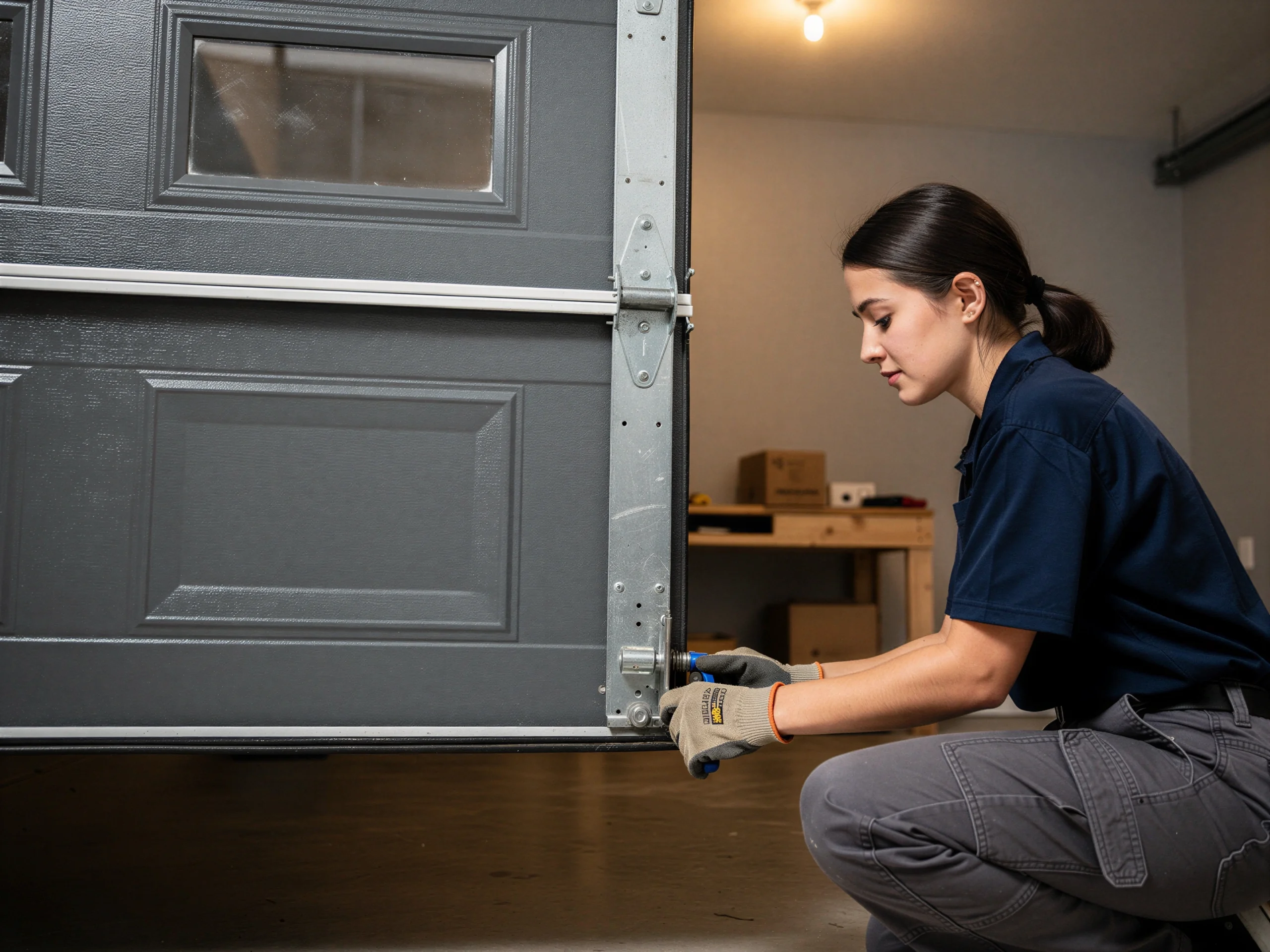
Garage Door Repair
Parkville homes went up mostly around 1979, later than much of Hanover's service area. Learn more →
Maintenance
Parkville's median household income runs under the area average, which changes the repair-or-replace math on a 1979-era door. Learn more →
New Door Installation
New garage door installation in Parkville, PA, 2 miles from Hanover. Learn more →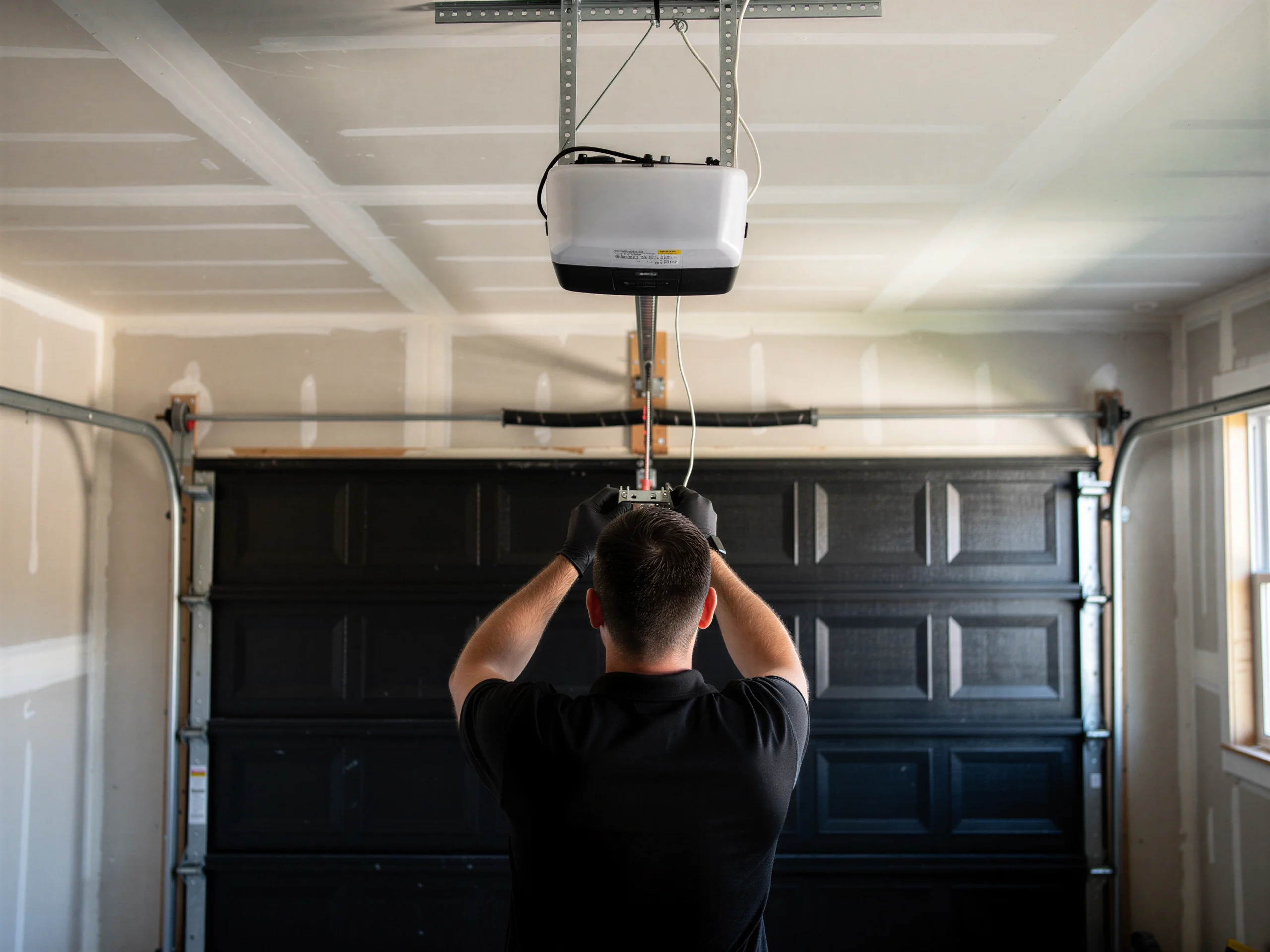
Opener Installation
Parkville homes run newer than most of the Hanover service area - 1979 median build year. Learn more →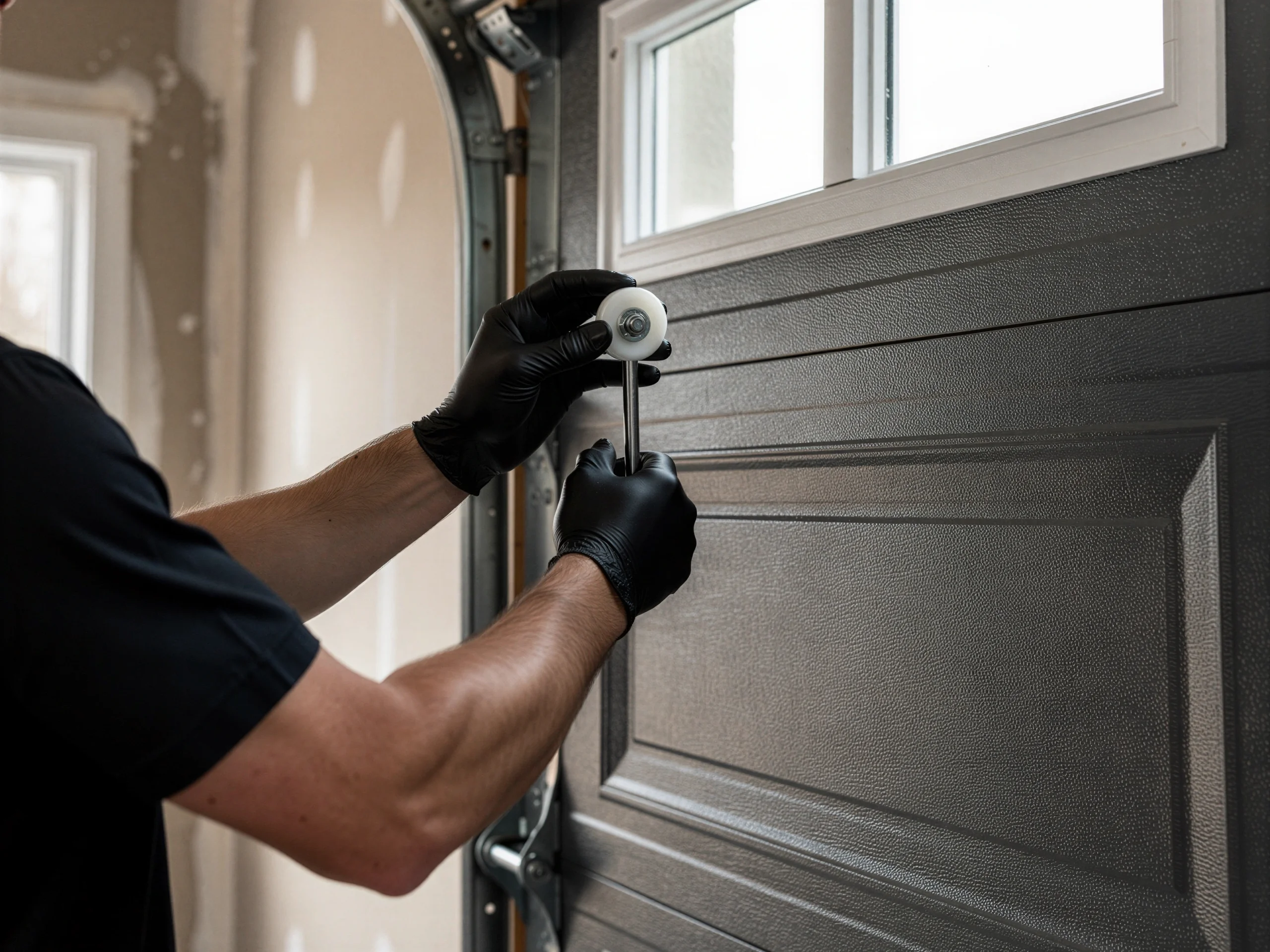
Roller Replacement
Most Parkville garage doors date to the late 1970s, when steel rollers on steel track were standard. Learn more →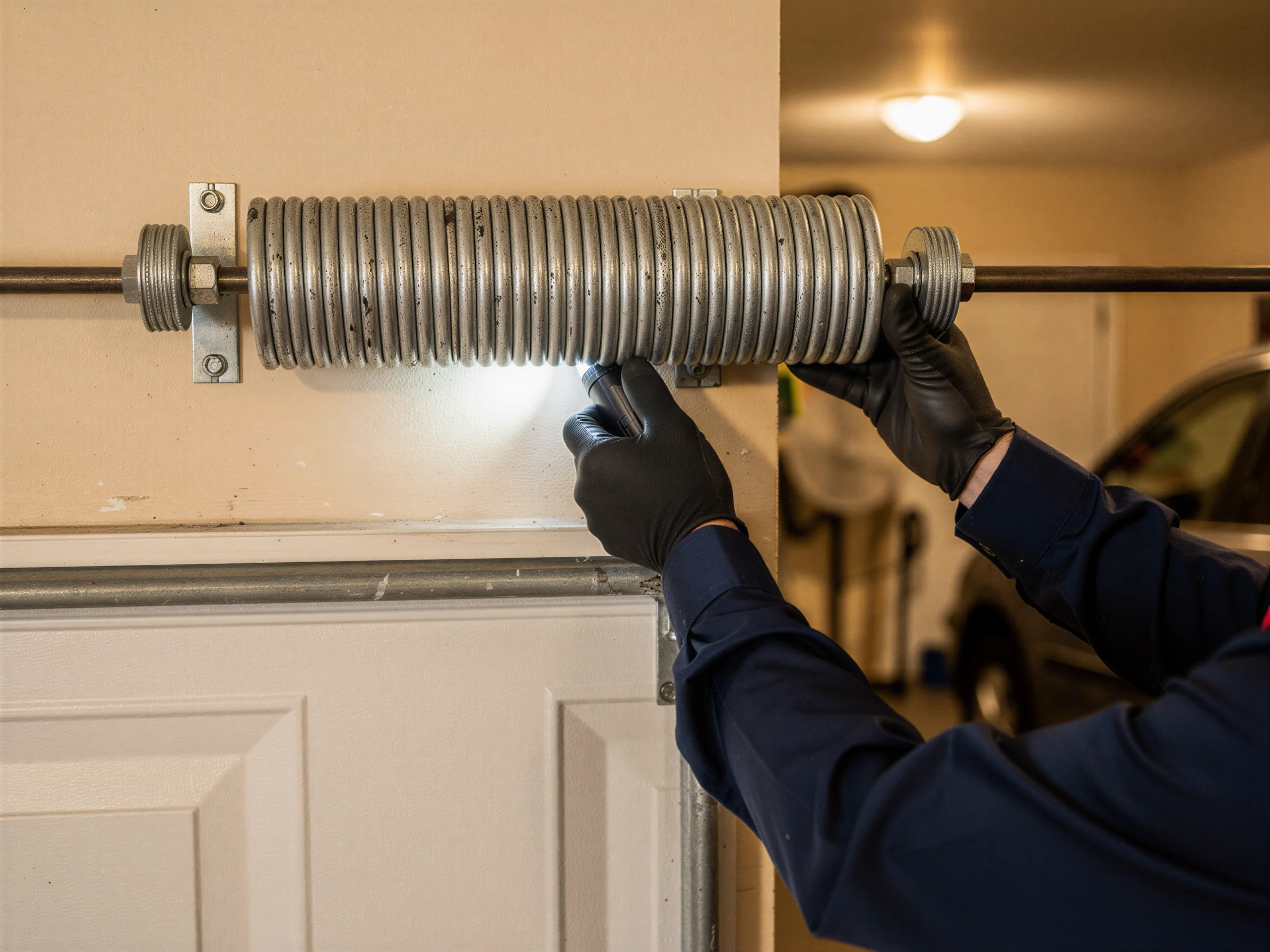
Spring Repair
Parkville homes date mostly to 1979, two years newer than the Hanover-area norm. Learn more →Ready when you are
Need garage door service in Parkville?
Hanover Garage Door Pros repairs and installs garage doors, springs and openers in Hanover, PA and the surrounding area.