
Parkville, Hanover
Roller Replacement for Parkville's 1970s-Era Garage Doors
Most Parkville garage doors date to the late 1970s, when steel rollers on steel track were standard. Here's what wears out first and what it costs to fix.
- Garage Door Repair
- New Door Installation
- Springs & Openers
What It Costs
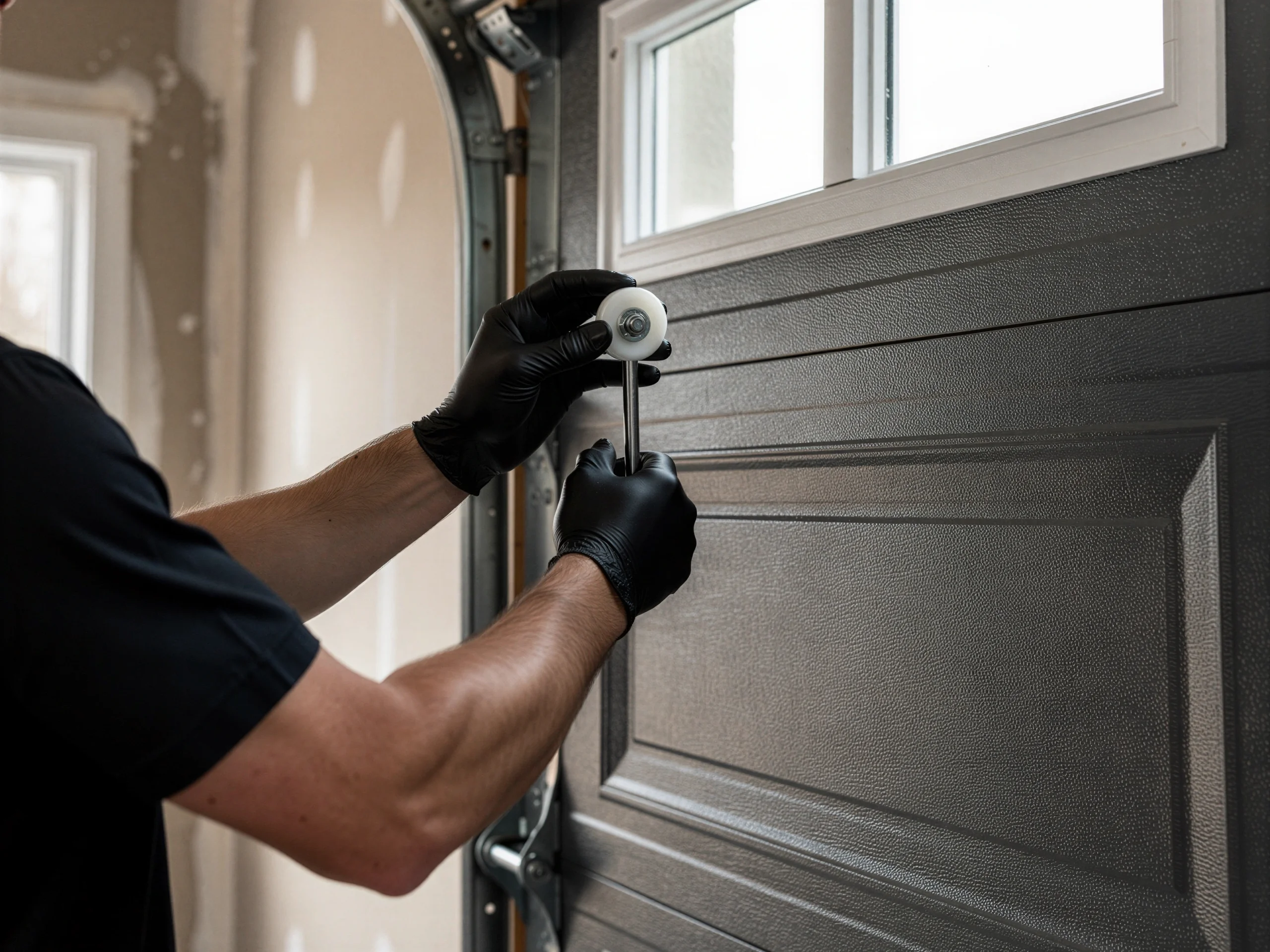
A straightforward roller replacement, swapping a full set of ten rollers on a single door, runs toward the lower end of what any garage door repair costs - it's parts and labor with no major teardown. What pushes the number up in Parkville specifically is the track. On a house built in the median year here, 1979, the track is the original galvanized steel, often bent or pitted enough that it needs re-hanging or replacing at the same visit, not just new rollers dropped into old rails. We travel from Hanover, two miles away, so there's no separate trip charge baked into the estimate for a job this close. If the opener, cables, or bottom brackets are also original to the house - which on a lot of these doors they are - that's a separate conversation, and we'll tell you before we start, not after.
Why This Fails Locally
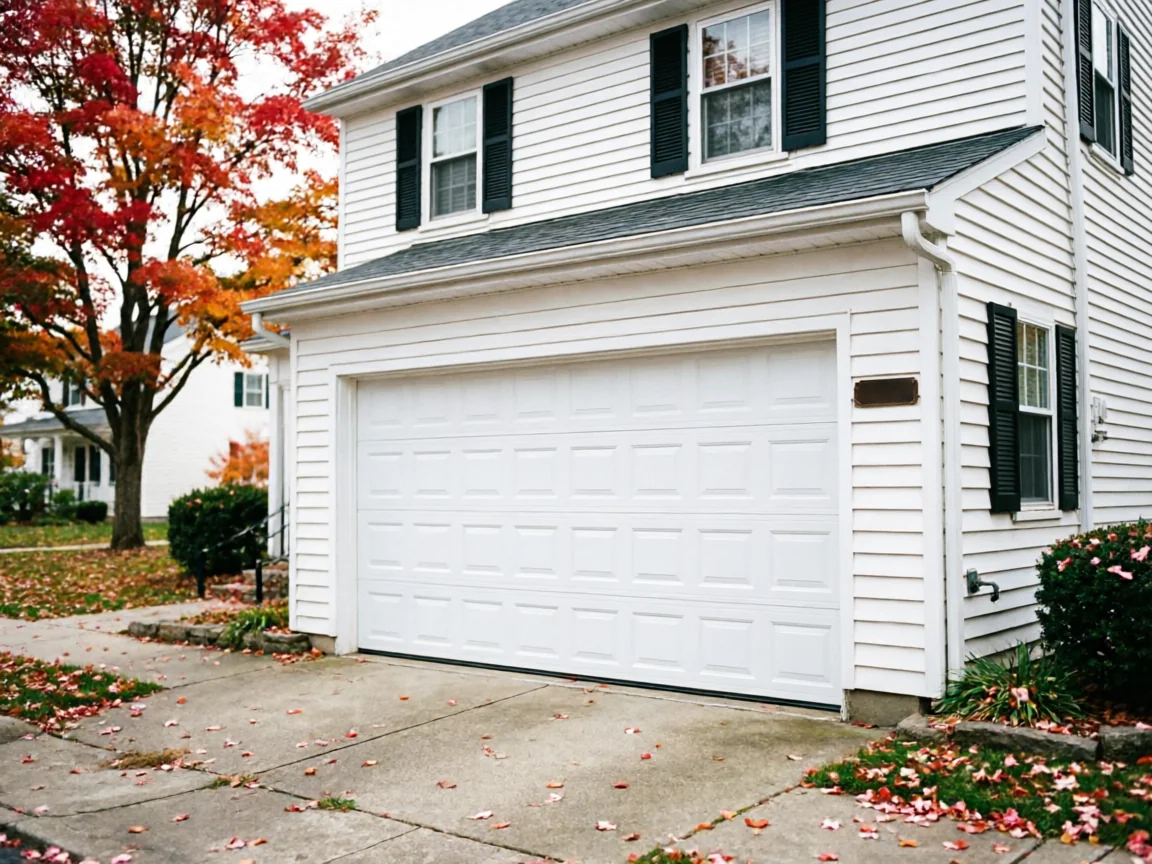
Parkville's housing stock centers on 1979, inside the broader 1938-1994 range typical of this part of the county, which means a lot of doors here are original or close to it. Builders in that era used plain steel rollers on steel track almost universally - no nylon, no sealed bearings, just a steel wheel riding in a steel channel with grease that was reapplied maybe once a decade, if that. Forty-plus years of a steel-on-steel wheel grinding against a steel track produces a specific kind of wear: flat spots on the roller stem, elongated holes in the roller bracket, and a track groove that's worn wider than the roller it's supposed to guide. That combination is why these doors don't fail quietly. The region sits in a severe cold climate band, and steel contracts hard in a cold garage overnight - a stem that's already worn thin from decades of friction is the one that snaps on the first freezing morning of the season, not gradually.
The Complications
The complication in a house this age usually isn't the roller itself - it's what the roller has been hiding.
Stretched track bracket holes
Once you pull a worn steel roller out of a track that's been grooved by it for forty-some years, you often find the track bracket mounting holes have stretched too, which means the track shifts slightly every time the door runs. New rollers in an old, widened track don't fix anything; they just ride loose again within a year.
Bottom bracket next to fail
We also see this on doors where the bottom bracket was never upgraded - those carry lift cable tension, and on original 1970s hardware, that bracket is usually the next thing to go. None of this is unique to one house in Parkville; it's close to universal on stock from this build era, which is most of what's here.
Can You Do This Yourself
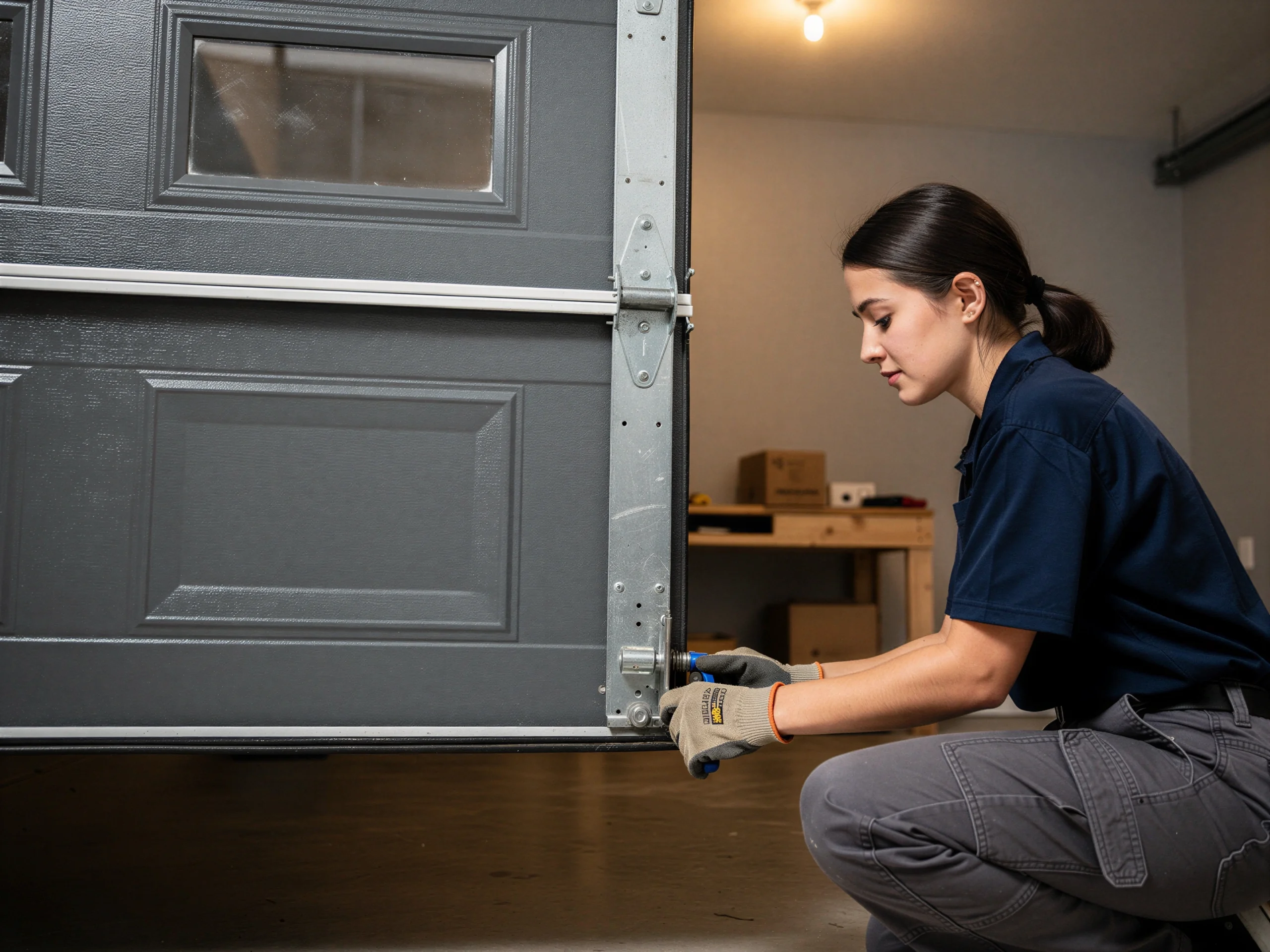
Swapping a single roller on a side section, with the door down and the opener disconnected, is within reach for someone comfortable with a ladder and a socket wrench. What isn't a DIY job is anything touching the bottom bracket or the rollers nearest it - those brackets are under spring tension from the lift cable, and on a door this old the steel around the mounting bolts can be more fatigued than it looks. We won't talk anyone through that part over the phone, and we wouldn't do it ourselves without seeing the cable and spring condition first. If you're set on doing the upper and middle rollers yourself and having us handle the bottom two, that's a reasonable split and one we're happy to work around.
How It Shows Up
It starts as a rhythmic clunk at the same spot in the door's travel, every single time, which is the flat-worn side of the roller stem hitting the track seam. Left alone, that clunk turns into a grinding scrape as the roller wears through whatever grease is left, and the door starts to hang or stutter a few inches off the floor. On original 1970s track, the next stage is a roller jumping the rail entirely, usually on the second panel from the top where the curve into the horizontal track puts the most lateral stress on a worn wheel. Catch it at the clunk stage and it's a simple roller swap. Catch it at the jumped-rail stage and you're likely replacing track sections too.
Questions
Common questions
How old are the rollers in my Parkville garage door likely to be?
If your house was built around 1979, which is the median build year for this area, there's a good chance the rollers are original or close to it - steel rollers on steel track were standard for houses built through the 1970s and into the 1990s in this region. Forty-plus years of use on that hardware is well past the point most rollers are rated for.
Do you charge extra to come to Parkville?
No. Parkville is about two miles from our shop in Hanover, and a job this close doesn't carry a separate trip charge. The estimate you get is for the roller work itself, plus anything else we find once the door's apart.
Can I just replace the noisy rollers and leave the rest?
Sometimes, yes - if the track is still straight and the bracket holes haven't stretched. On a lot of 1970s-era doors in this area, though, the track has worn alongside the rollers, and new rollers in a widened track just go loose again within months. We'll check the track before quoting roller-only work.
Why do rollers seem to fail in winter?
This area sits in a severe cold climate band, and steel contracts in cold air. A roller stem that's already thinned from decades of friction is the one most likely to snap on a hard-freeze morning, even though the wear built up gradually over years, not overnight.
Explore more
More Services in Parkville
Garage Door Repair
Parkville homes went up mostly around 1979, later than much of Hanover's service area. Learn more →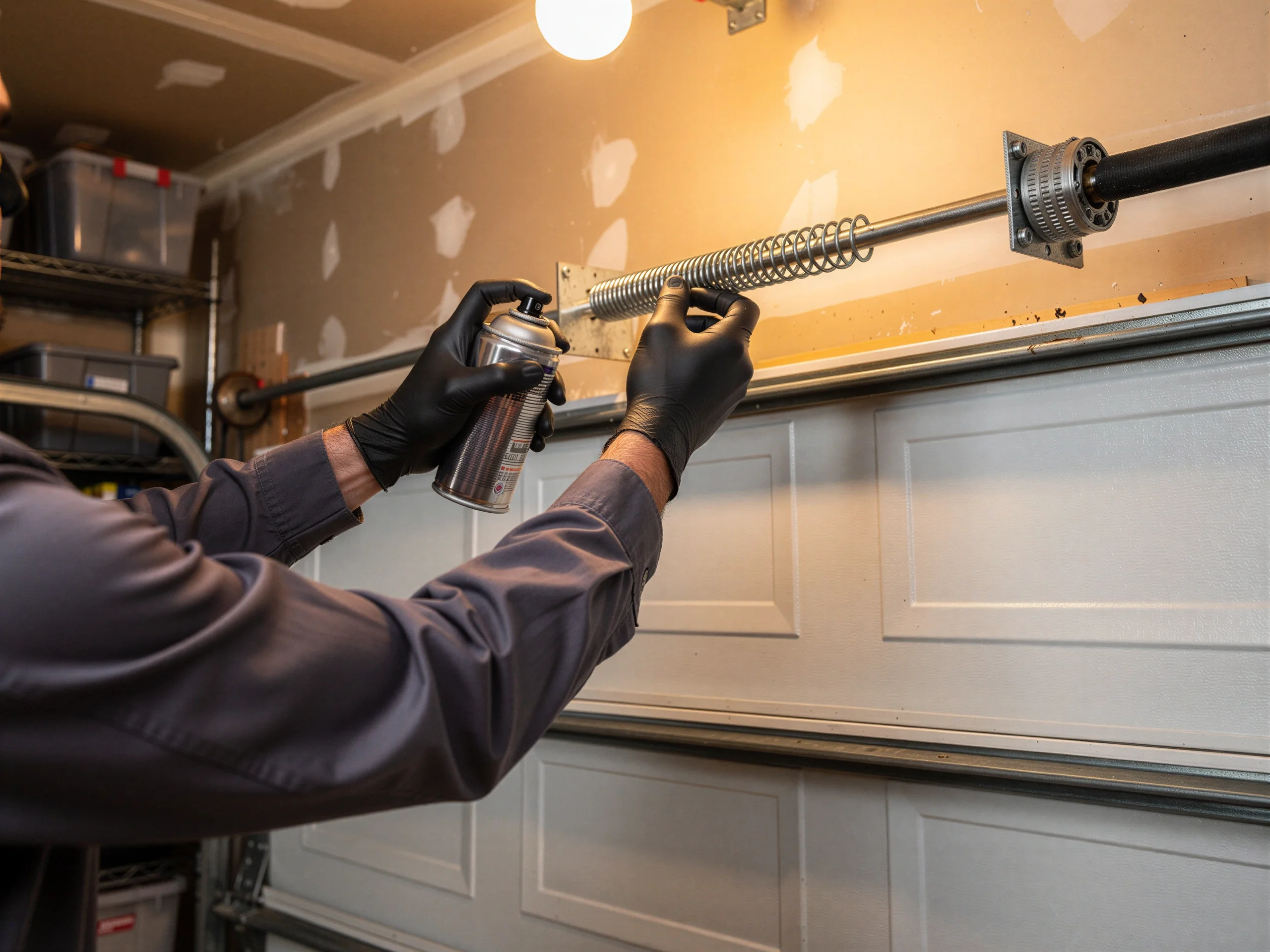
Garage Door Service
Hanover Garage Door Pros services Parkville, PA, 2 miles from Hanover, where most homes date to the late 1970s and need period-correct spring and opener repair. Learn more →
Maintenance
Parkville's median household income runs under the area average, which changes the repair-or-replace math on a 1979-era door. Learn more →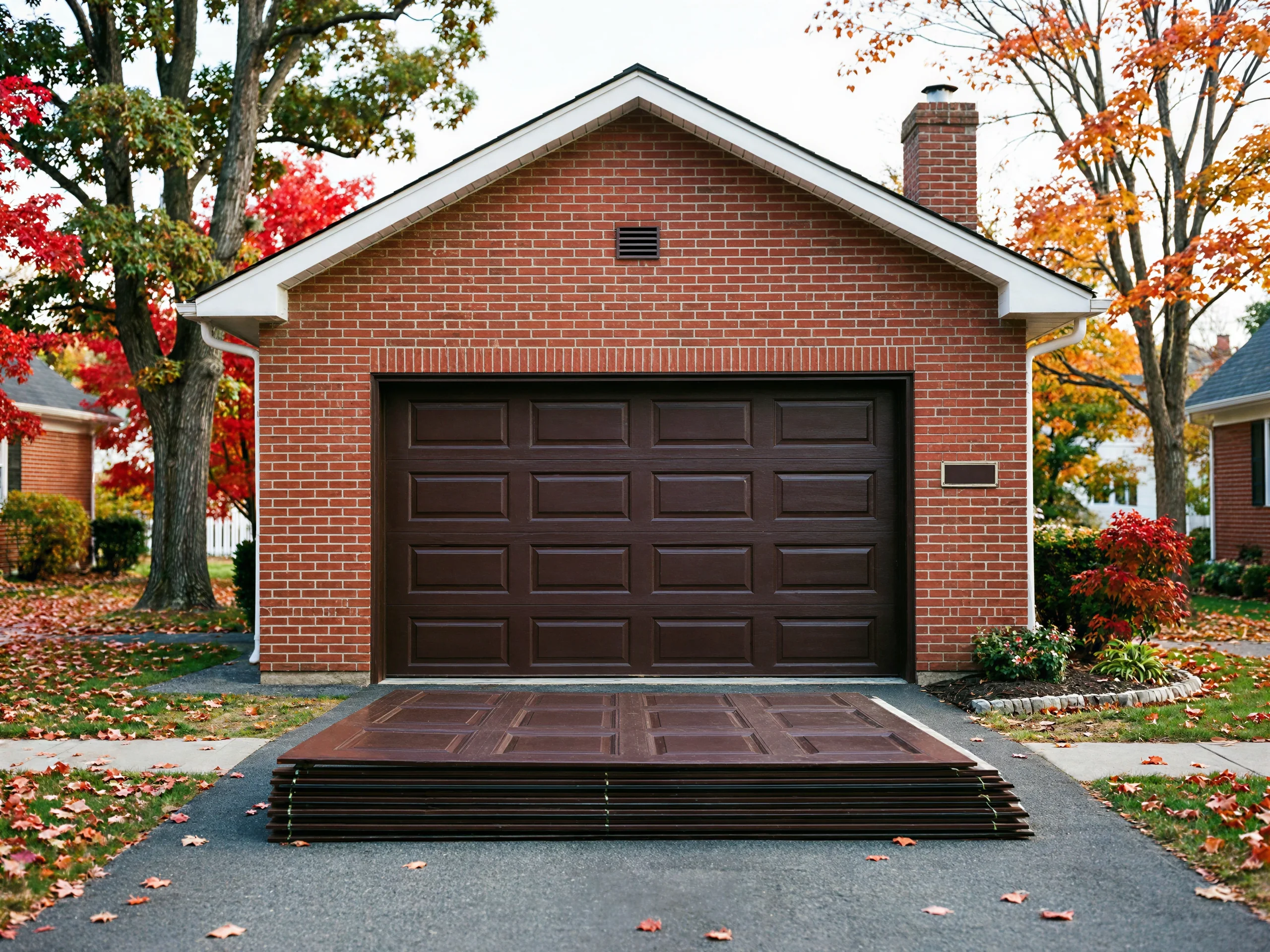
New Door Installation
New garage door installation in Parkville, PA, 2 miles from Hanover. Learn more →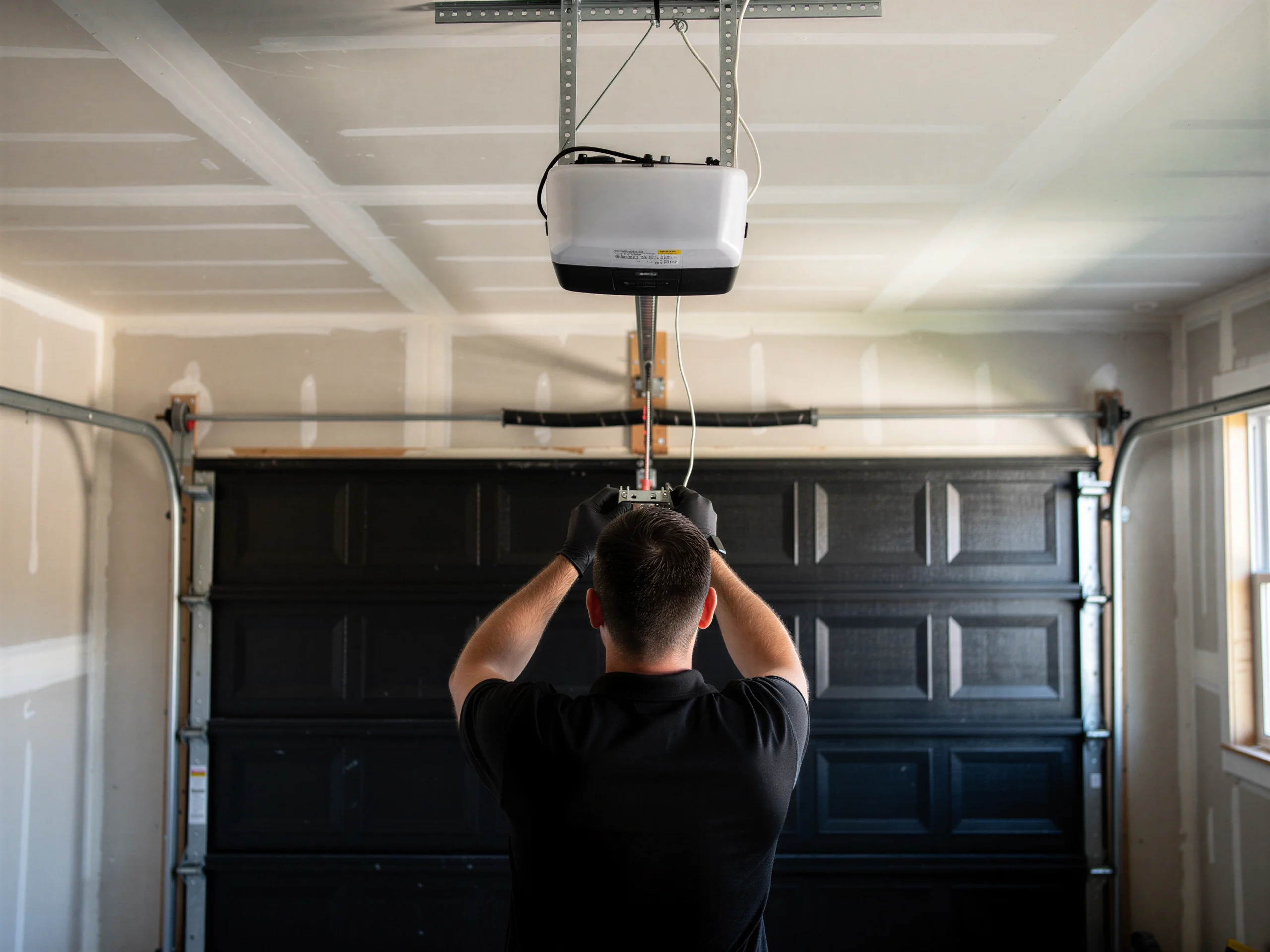
Opener Installation
Parkville homes run newer than most of the Hanover service area - 1979 median build year. Learn more →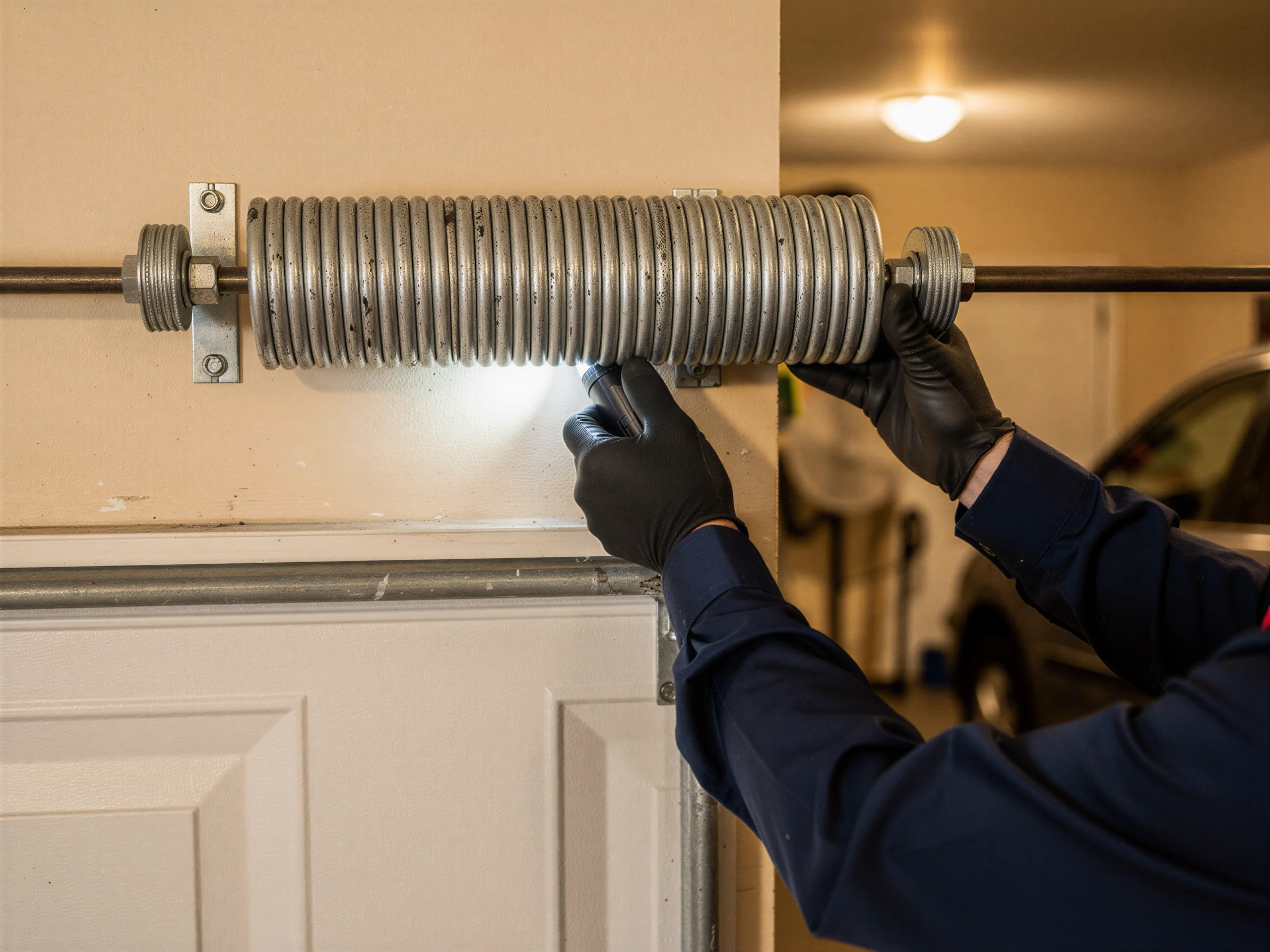
Spring Repair
Parkville homes date mostly to 1979, two years newer than the Hanover-area norm. Learn more →Ready when you are
Noisy or worn garage door rollers in Parkville?
Hanover Garage Door Pros repairs and installs garage doors, springs and openers in Hanover, PA and the surrounding area.